
High Protein Plates during the holidays can help you stay on track even when you are surrounded by tons of not so healthy foods.
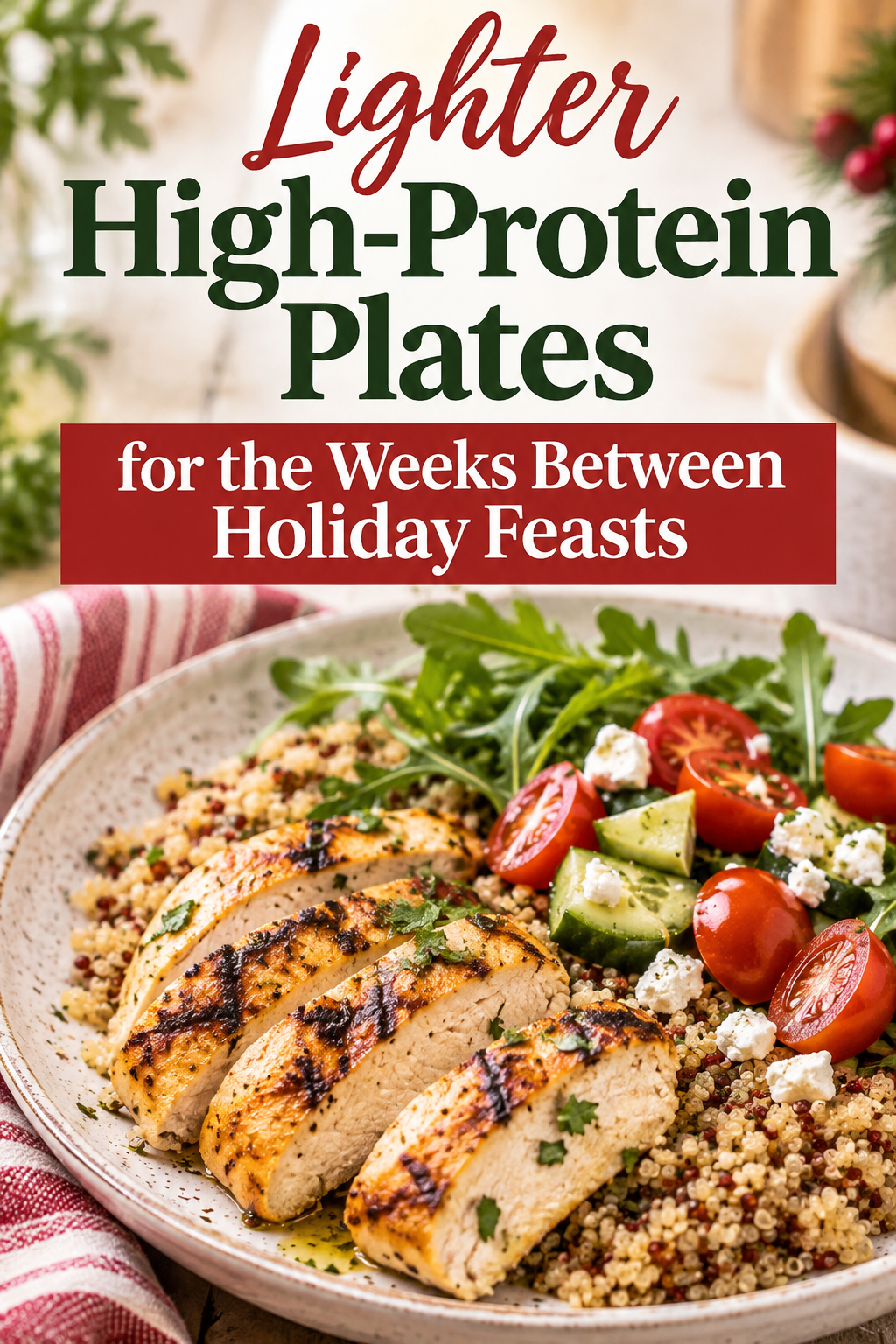
December has a rhythm in most kitchens: a big family dinner, a cookie exchange, a work potluck, and then a string of ordinary Tuesday nights where nobody wants to look at another casserole.
Those in-between nights are worth planning for. A plate built around protein and vegetables keeps you full on fewer calories, so the holiday meals you actually care about stay on the menu without the whole month running heavy.
You don't need new recipes to pull it off. Most of the work comes from a few pantry swaps and a simple way of looking at your plate before you serve it.
Start with high protein plates, then pick the recipe
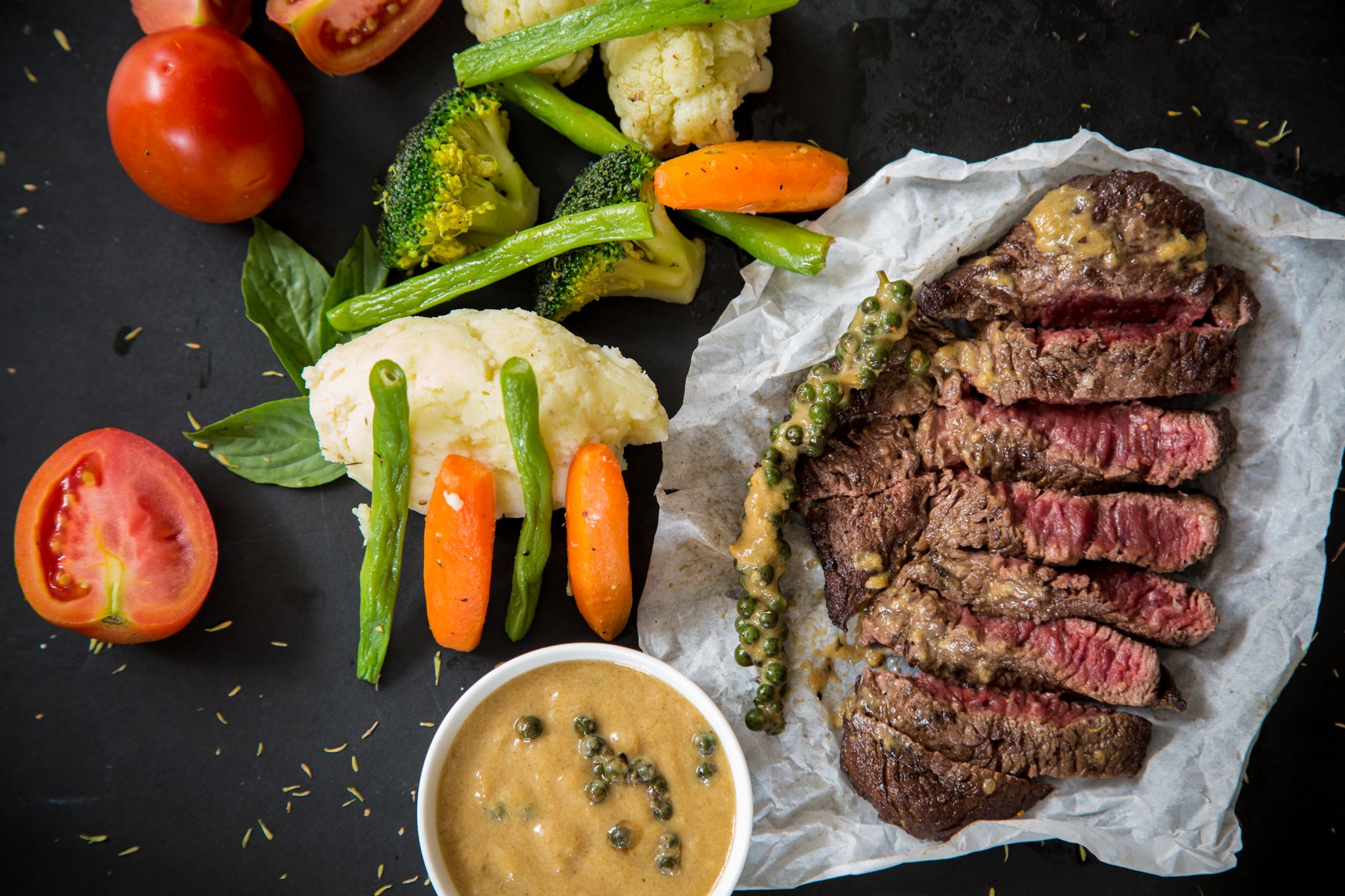
Harvard's Healthy Eating Plate is a handy template for weeknights to create those high protein plates. It suggests filling about half of a plate or bowl with colorful vegetables and choosing fish, poultry, beans and nuts as your main protein, while going easier on red meat and cheese.
That's a useful counterweight to holiday cooking, where the starch and the gravy tend to take over. On a lighter night, flip the ratio: vegetables first, a palm-sized portion of protein or more, and a smaller scoop of rice, potatoes or pasta.
Leftover turkey or ham is a good place to practice to create those high protein plates. Slice it over a big bowl of greens or a tray of roasted Brussels sprouts, keep the stuffing to a spoonful on the side, and the same leftovers that went into last night's sandwich turn into a much lighter dinner.
Soups follow the same logic. A pot of vegetable soup with shredded chicken or a can of white beans stirred in eats like a full meal, while a pot of plain broth and noodles will have everyone hunting for snacks an hour later.
It also helps to decide the protein first when you plan the week. Pick the chicken, fish, beans or eggs for each night, then choose the vegetables to go with them, and leave the starch as the last and smallest decision.
What a well-built portion for high protein plates look like
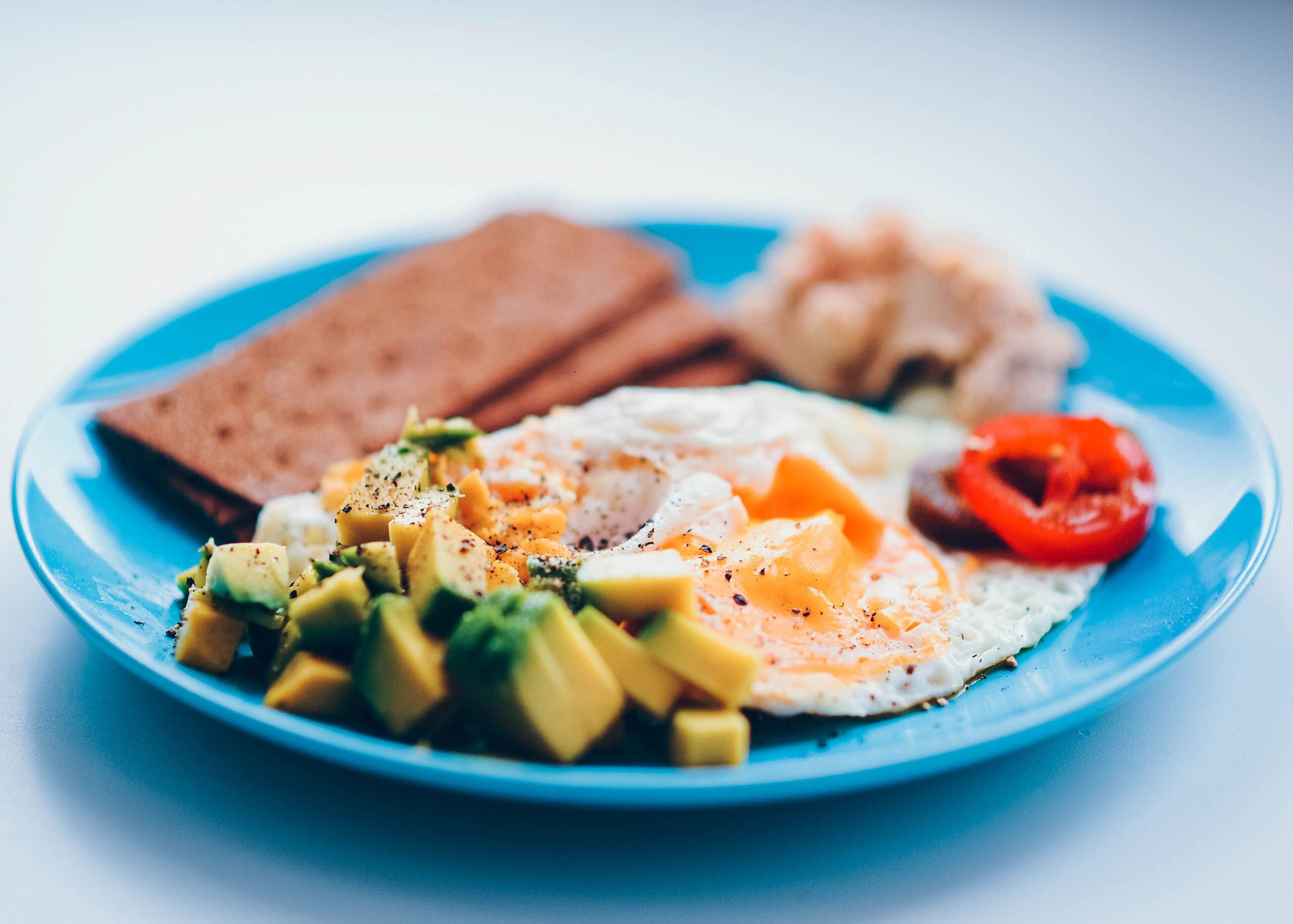
Recipe cards rarely tell you how much protein lands on one plate, so it helps to have a benchmark. Ready-meal menus that print the numbers for every single serving make that easy to picture.
One example comes from the other side of the world. Bondi Meal Prep's high-protein meal delivery service only ships within Australia, but its menu lists calories and protein for each dish, and those figures make a good yardstick for a home-cooked plate.
Its Grass-Fed Lamb & Broccoli Rice comes in at 347 calories with 53.1 grams of protein and just 4.8 grams of carbs. The Free-Range Chicken Breast & Sweet Potato Cubes carries 46.8 grams of protein in 401 calories.
Neither one is a giant plate, either. The Grass-Fed Eye Fillet Steak & Roasted Potatoes is a 320-gram serving (about 11 ounces) with 397 calories and 47.7 grams of protein, which is roughly the size of a normal dinner plate of meat and vegetables.
So here's the takeaway for your own cooking: satisfying high protein plates can carry 40 to 50 grams of protein for around 400 calories when lean protein and vegetables do most of the work. You can hit that with what's already in your kitchen.
Pantry swaps that add protein without extra fuss
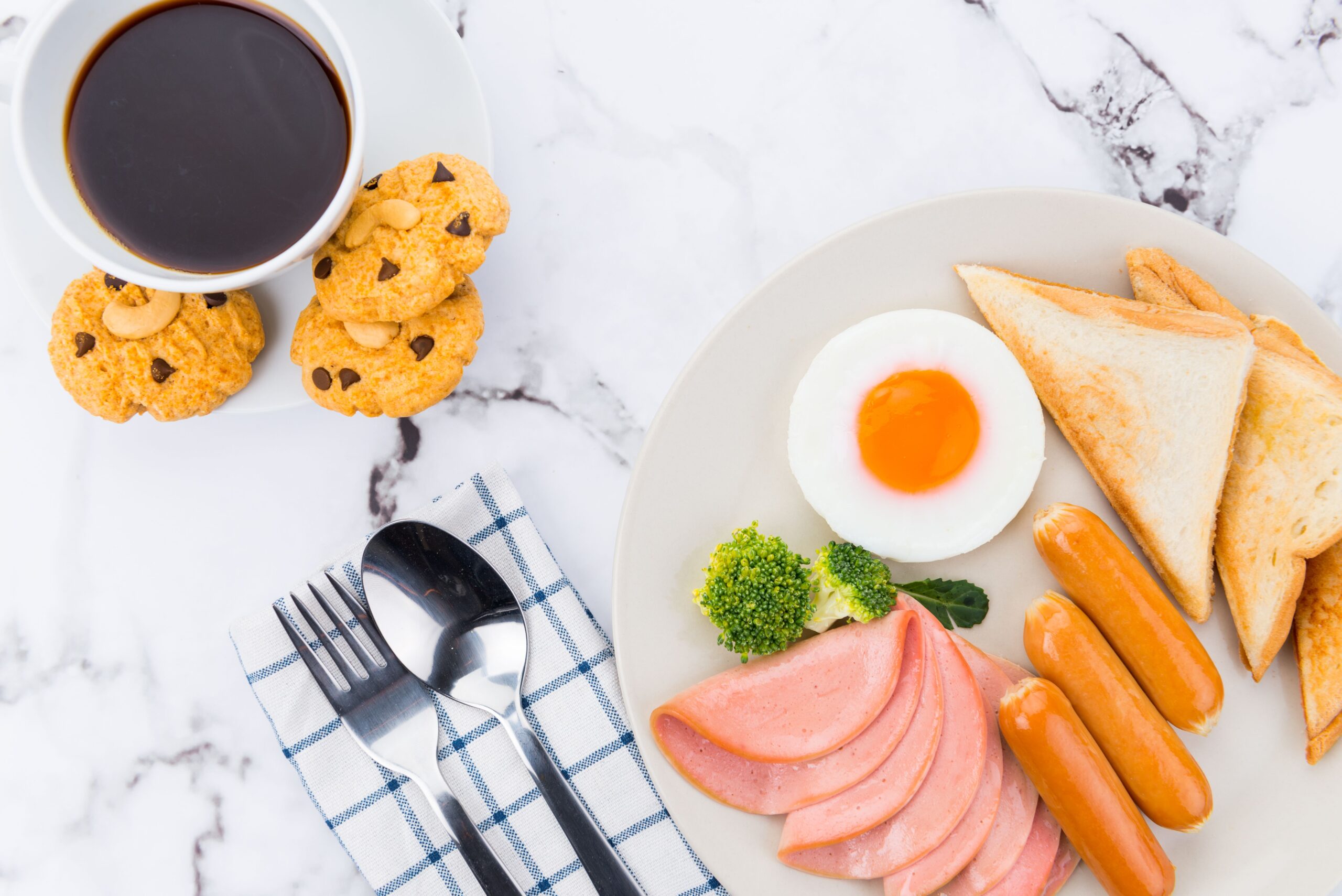
If you stocked up with a list like Jen's Fall Pantry Staples Checklist, you're most of the way there. A few small trades turn those staples into higher-protein meals.
Plain Greek yogurt for sour cream. It works on tacos, baked potatoes and chili, and it carries noticeably more protein per spoonful than sour cream does.
Canned beans or lentils in sauces and soups. Stir a drained can into marinara, chili or vegetable soup and the pot stretches further while the protein goes up.
Canned tuna, salmon or chicken for a quick lunch. Mix with a little Greek yogurt and mustard instead of a full scoop of mayo, then pile it onto greens or whole-grain toast.
Cottage cheese in scrambled eggs. A spoonful folded in at the end makes the eggs creamier and adds protein without changing the flavor much.
If you want real numbers for the brands in your cupboard, the USDA's FoodData Central database lets you look up protein, calories and other nutrients for thousands of foods. Check the five or six staples you cook with most and you'll know what each swap is really worth.
Two weeknight dinners that already fit
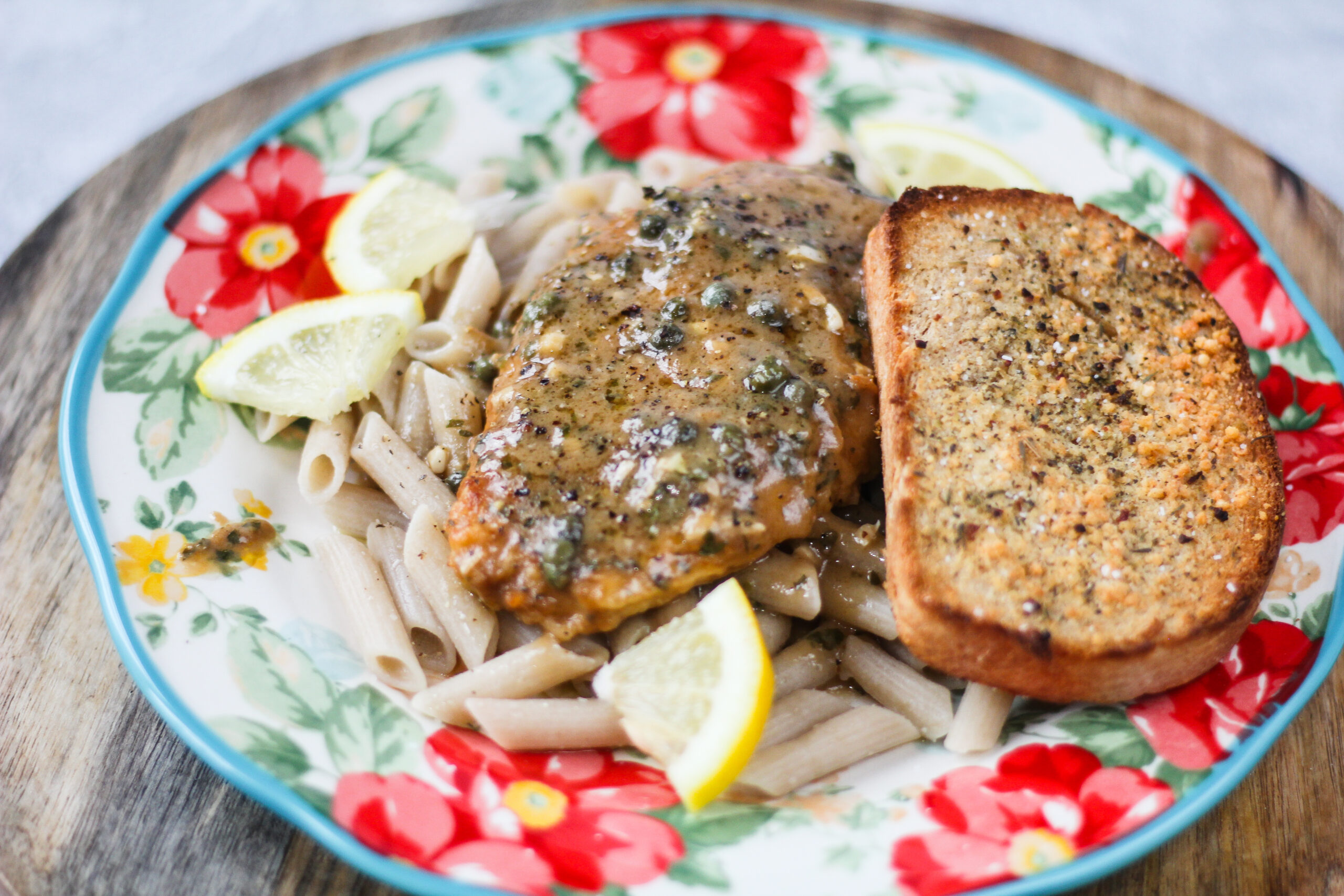
Some recipes you probably make anyway are close to this template. My Lemon Chicken Piccata is built on chicken breast, so the protein is there from the start; serve it over a big pile of green beans or roasted broccoli and a smaller portion of pasta than usual.
A sheet pan dinner is even easier to tune. With the Autumn Chicken Sheet Pan Dinner, add an extra row of vegetables to the pan and portion the chicken generously, and you have a plate that looks a lot like that 400-calorie benchmark.
Both work for leftovers too. Pack the next day's lunch with the same ratio: vegetables first, chicken second, starch last.
A simple check before you serve
Before the plate leaves the kitchen, ask two quick questions. Is half of it vegetables, and is there a real portion of protein on it?
If either answer is no, the fix is usually small: another scoop of green beans, a few more slices of chicken, or a spoonful of beans stirred into the side dish.
Keep the feasts, lighten the in-between
None of this means skipping the pecan pie or the Christmas ham. Big holiday meals are part of the fun, and one rich dinner doesn't undo a good week.
What makes the difference is the quiet nights around them. Plan two or three protein-forward plates for those evenings, lean on the pantry swaps when you're short on time, and save the indulgent cooking for the days that deserve it.