
You know that feeling when you open your cupboard and think, "I want to cook something interesting tonight, but I've got no global pantry staples to work with"? I used to be that person constantly. Then I realized my problem wasn't a lack of ingredients; it was that I was thinking too small.
Once I started stocking my pantry with staples from around the world, everything changed. Suddenly, a simple bowl of rice became a fragrant jasmine rice pillow.
A handful of vegetables transformed into something with actual depth. Plain chicken turned into something you'd actually want to eat. The secret wasn't fancy techniques or complicated recipes, it was having the right building blocks on hand.
The Mediterranean Foundation
Let me start with what probably feels most familiar, because I want to ease you into this. The Mediterranean basin has been feeding people well for centuries, and there's a reason we keep coming back to these ingredients.
Good olive oil is non-negotiable. And I mean actually good, something with real flavor that you can taste. This isn't the time to buy what's cheapest; it's the time to invest in something you'll use constantly. A quality olive oil brings brightness to salads, richness to soups, and a finishing touch to almost anything you cook. Keep it in a cool, dark place (not above the stove like I used to!) and it'll last you months.
Then there are the dried herbs. Oregano, thyme, and bay leaves are your workhorse ingredients. A pinch of dried oregano in a tomato sauce, a bay leaf simmering in stock, fresh thyme scattered over roasted vegetables, these small additions build complexity without requiring you to do anything complicated. I always keep at least two or three of these on hand.
Red wine vinegar and good quality balsamic vinegar round out this foundation. They're not just for salad dressing; a splash of vinegar brightens soups, adds depth to braises, and brings balance to overly rich dishes.
The Asian Pantry
This is where things start to get exciting, and where I noticed the biggest shift in my everyday cooking.
Soy sauce is obvious, but don't just grab any bottle. The difference between cheap soy sauce and a real one is genuine, it's like the difference between orange juice from concentrate and fresh-squeezed. A good soy sauce adds umami depth that makes people ask, "What's in this?" when they taste your food.
Then there's fish sauce. I know, I know, it smells terrible straight from the bottle. But trust me on this. A teaspoon of fish sauce in a curry or soup adds a savory richness that's impossible to replicate any other way. Your guests won't taste "fish sauce," they'll just think whatever you've made is unexpectedly delicious.
Rice vinegar is lighter and more delicate than its Western cousins, perfect for dressings and the gentle acidity that makes Asian dishes sing. Sesame oil should be part of your collection too, just a drizzle at the end of cooking adds an incredible toasted depth.
For grains, jasmine rice and short-grain sushi rice are game-changers. Jasmine rice is fragrant and delicate; it's what turns a simple stir-fry into something restaurant-quality. And while you can use sushi rice for sushi, I also use it for risotto because it creates this creamy, luxurious texture.
White and black sesame seeds, dried shiitake mushrooms, and mirin (a subtle sweet rice wine) round out this section. Whole Food Earth carries an excellent selection of Asian staples and grains where you can source quality versions of these ingredients, often in bulk if you want to really commit.
The Spice Route
This is where I want you to get brave. Spices are the shortcuts to making food taste like you spent hours on it when you really didn't.
Cumin, coriander, turmeric, and cinnamon are your starting five. Toast these whole spices in a dry pan for a minute before using them, and something almost magical happens—they become warm and fragrant and alive. Ground spices are convenient, but whole spices stored properly last longer and taste better.
Smoked paprika is probably my most-reached-for spice. It adds depth and warmth to everything from roasted vegetables to scrambled eggs. A pinch of chili powder or cayenne adds just enough heat without overwhelming. Garam masala is a wonderful Indian spice blend that brings warmth to curries, lentil dishes, and even roasted vegetables.
Don't overlook nutmeg, cardamom, and cloves either. A tiny pinch of nutmeg in a creamy soup, cardamom in rice or in a cup of tea, cloves in a braise, these are the spices that make people say, "There's something I can't quite put my finger on that makes this special."
Store your spices away from light and heat (the spice drawer is often the worst place, ironically), and buy them in smaller quantities so they stay fresh. Whole Food Earth offers bulk spice options for when you find favorites you want to keep stocked.
Grains, Seeds, and Proteins
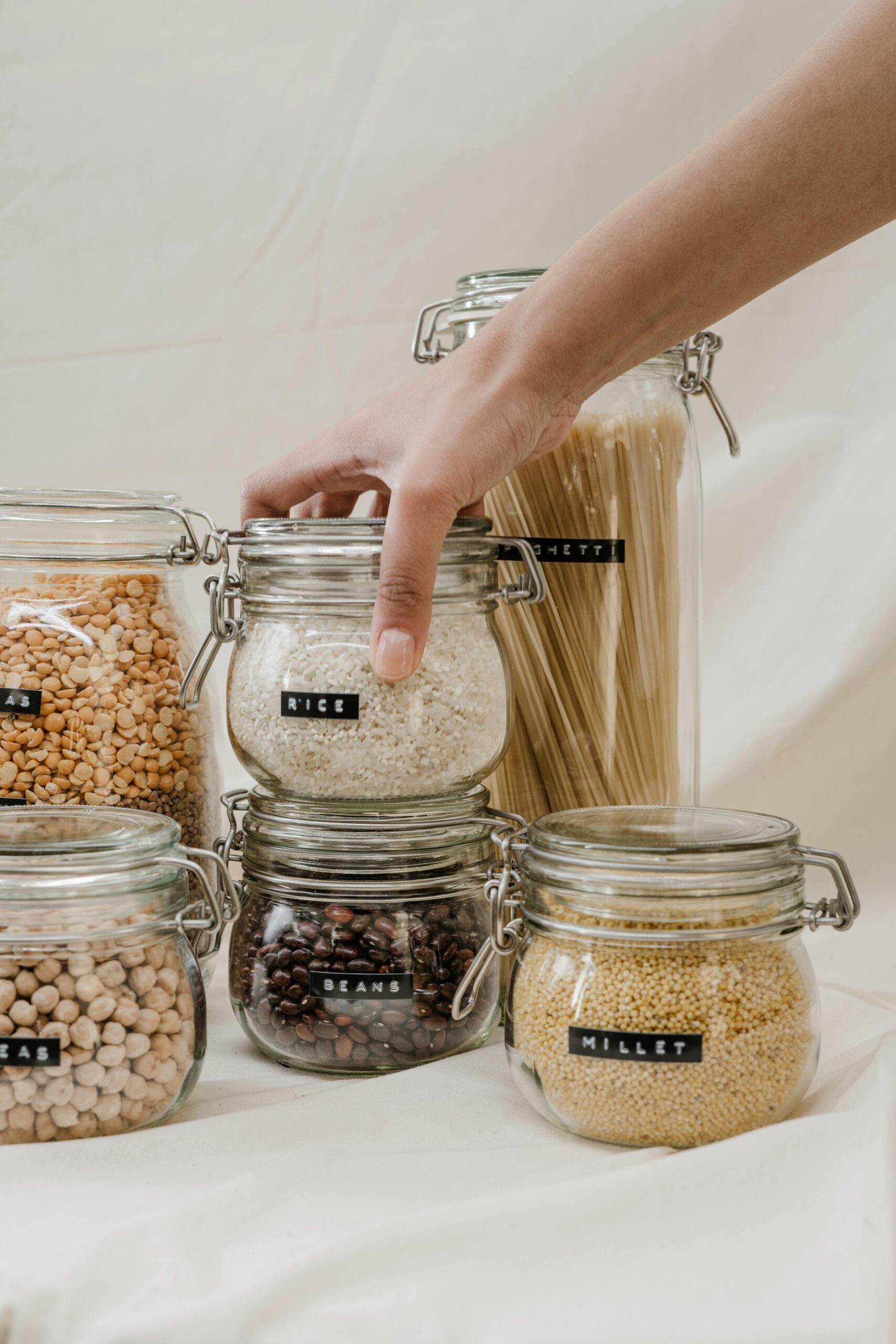
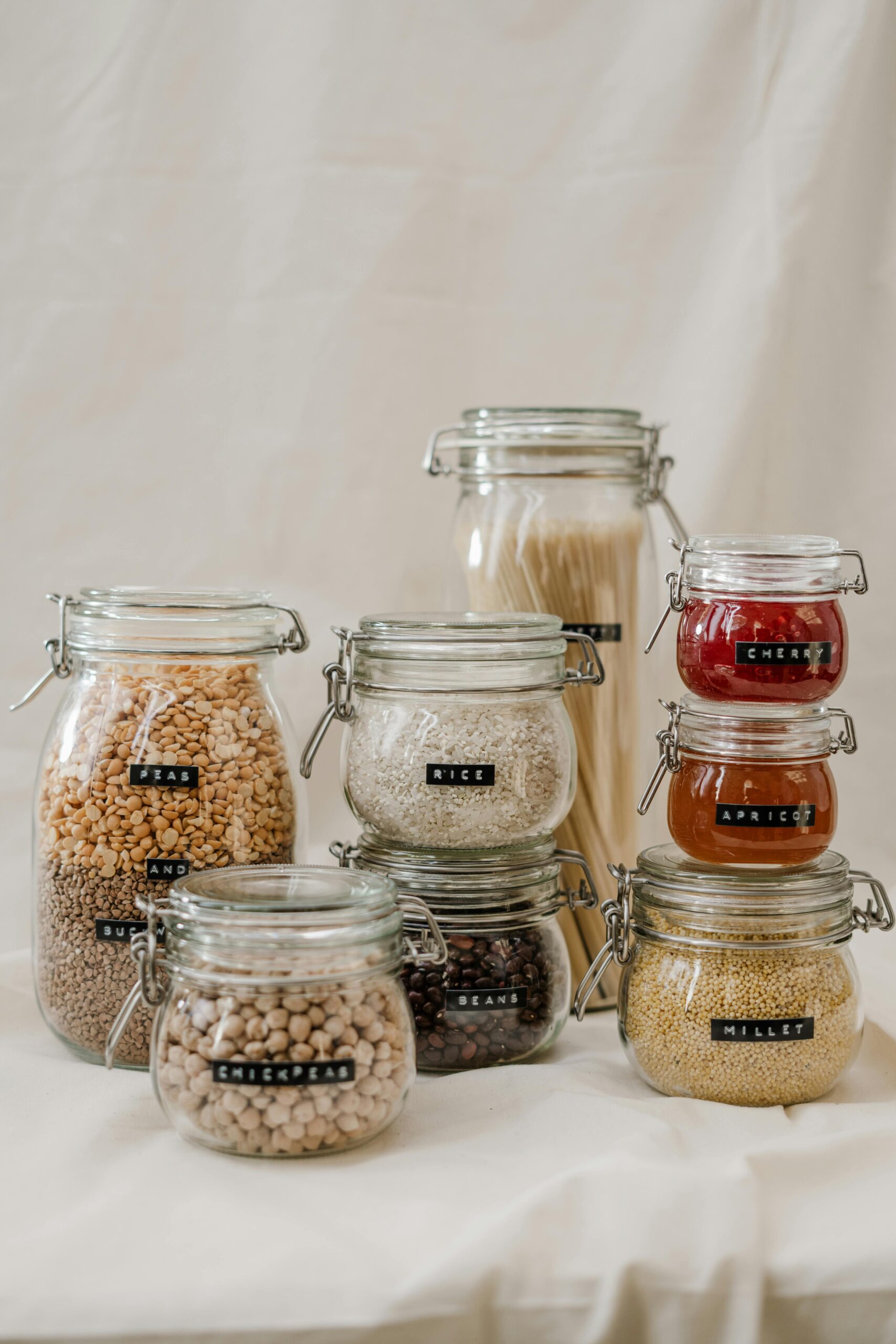
Beyond rice, keep a few other grains on rotation. Quinoa cooks in 15 minutes and brings nutrition and texture to bowls. Farro has this wonderful chewy texture that makes it satisfying as a side or as a base for salads. Millet is delicate and nutty, brilliant for anyone new to grains.
Seeds deserve their own mention because they're genuinely versatile. Chia seeds and flax seeds add nutrition to smoothies and baking. Pumpkin seeds and sunflower seeds are excellent for salads, roasted vegetables, or just snacking. They add texture and keep for months.
Keep a few pulses on hand too: lentils, chickpeas, and black beans. These are the foundation of so many dishes around the world, from Indian dals to Mediterranean soups to Latin American rice and beans. Canned are perfectly fine for convenience, but dried pulses are more economical and have their own appeal.
The Finishing Touches
Then there are the ingredients that feel small but shift everything. Miso paste (especially white miso) adds umami magic to dressings and soups. Soy sauce and vinegar combined with miso creates depth that seems impossible for something so simple.
Keep good sea salt and black pepper in a grinder, not pre-ground, if you can help it. The difference is real. A squeeze of real lime or lemon juice can rescue a dish that feels flat. Good honey or maple syrup adds subtle sweetness and complexity to dressings and sauces.
The Real Shift
Here's what I've learned: you don't need to cook complicated recipes or spend hours in the kitchen. What you need is a pantry that inspires you. When you open your cupboard and see sesame oil, good soy sauce, cumin, and jasmine rice staring back at you, suddenly cooking feels possible. Exciting, even.
Start small if this feels overwhelming. Pick up one or two things from a cuisine you love. Add to your collection as you cook. Before long, you'll have a pantry that lets you make food your whole family actually wants to eat, without it feeling like work.
That's the real magic of a well-stocked global pantry. It's not about showing off or complicated recipes. It's about giving yourself options and making everyday cooking feel less like a chore and more like a joy.
What's in your pantry right now? I'd love to know which global staples you can't live without.