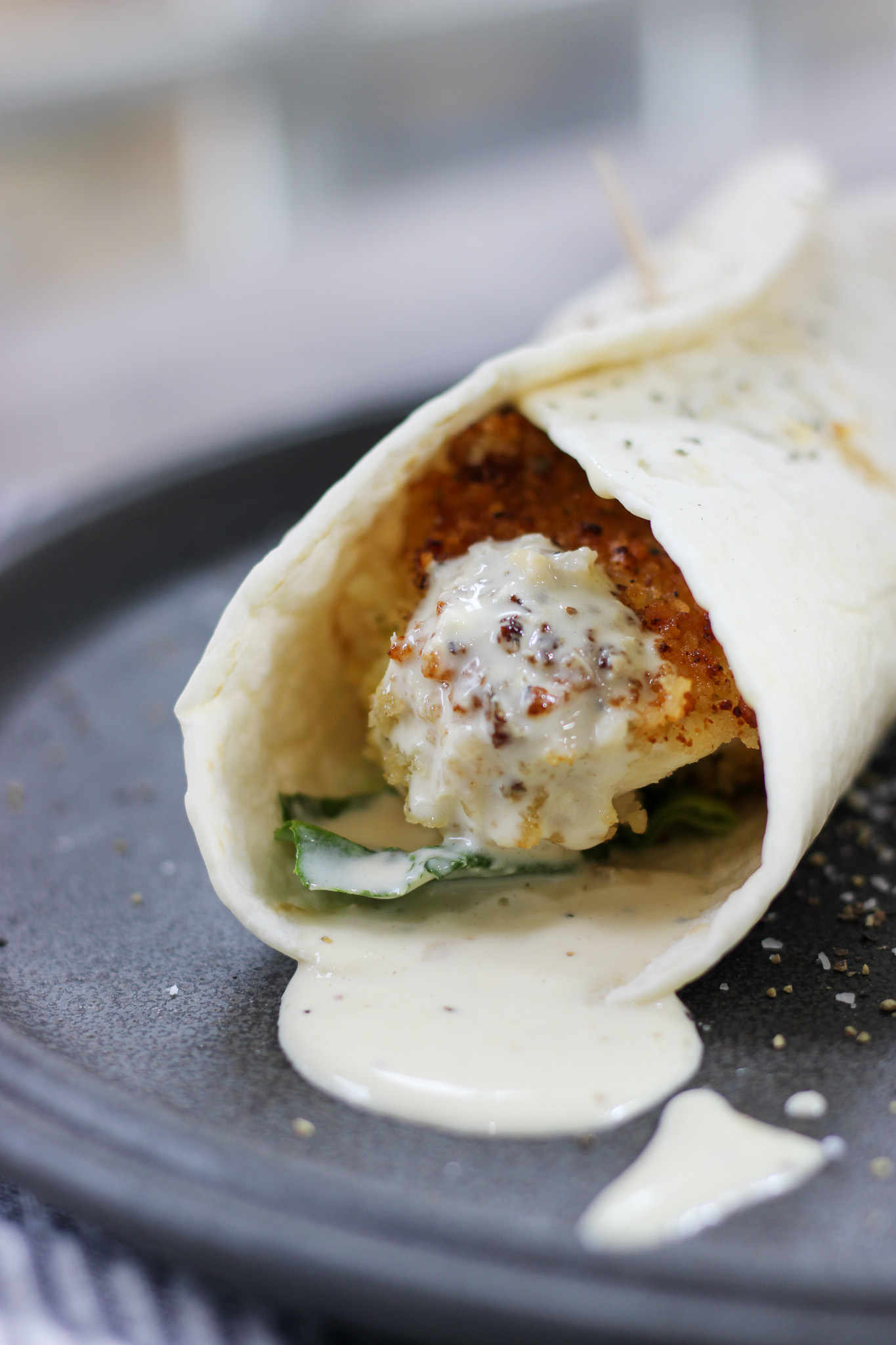

It is the spice combinations that differentiate recipes that are identical from one region to another.
Consider the example of fish: almost every country has some kind of fish dish that is regarded to be an essential component of their cuisine; nevertheless, the tastes of these fish dishes vary widely, mostly because of the specific combination of spices that is used in each region.

We are passionate about exploring the diverse range of flavors and ingredients that exist in the culinary world. The various spice blends from different cultures never fail to captivate our curiosity.
After researching some of the most popular spice mixes throughout the world, we felt it was important to share our findings with our audience.
Creating a delightful dining experience goes beyond just the flavors; it also involves ambiance, including the choice of restaurant furniture. The way a space is furnished can significantly enhance how these unique flavors are enjoyed, making each meal memorable.
Our Favorite Spice Blends from Around the World
Curry Powder
Using a combination that included a variety of traditional Indian spices, the British came up with the idea of curry powder, which is now a famous spice blend. There are many different combinations of spices that go into making curry, but the most common ones include turmeric, cumin, coriander, and chili peppers.

Garam Masala
Cinnamon, cardamom, cloves, cumin, and coriander are some of the spices that are included in the Garam Masala spice mix, which is a versatile Indian spice blend that shows a harmonic balance of warming and cooling spices.
Indian cuisine is elevated by the addition of this versatile seasoning, which brings a delightful and fragrant taste to a variety of dishes while also providing a comforting and cozy sensation.
Baharat
Within the realm of Middle Eastern cuisine, the spice combination known as baharat is highly popular. In general, it is composed of the following fundamental spices: black pepper, paprika, cumin, coriander, cloves, and cinnamon.

However, the specific mix of components varies from area to region. The most common use for this flexible mix is to season a variety of meats and stews, which imparts a taste that is both rich and fragrant to foods from the Middle East.
Za'atar
Za'atar is a spice mixture that is often used in Middle Eastern cuisine. Dried thyme, oregano, sumac, and sesame seeds are the ingredients that are combined to make it. Sometimes, other herbs and spices are also used. Regularly, it is combined with olive oil and used as a condiment or spice.
Dukkah
An Egyptian spice blend known as dukkah, often spelled duqqa, is created by roasting nuts (typically hazelnuts or almonds), sesame seeds, and a combination of spices such as cumin, fennel seeds, and coriander before adding them to the mixture. It is often eaten as a dip with bread, most commonly in conjunction with olive oil, and it is warm and cozy.
Chinese Five Spice
As you may have guessed, Chinese Five Spice is a mixture of five different spices. Although the five spices tend to remain consistent across different recipes, the quantities of each can vary, and certain spices may be substituted with others based on the family's unique recipe.
The ingredients usually consist of star anise, cloves, Chinese cinnamon (cassia), Sichuan peppercorns, and fennel seeds, each representing one of the earth's five elements. Since Sichuan peppercorns can sometimes be hard to find, they are often replaced with a different ingredient in certain recipes.
Panch Phoron
Did you know that Panch Phoron is a delightful Bengali spice blend made with a combination of five aromatic seeds? It includes fenugreek, nigella, cumin, black mustard, and fennel.
Instead of being finely ground, the seeds are typically mixed in their whole form and dry roasted to enhance their flavor. Panch Phoron is commonly found in a variety of Bengali and northeastern Indian dishes.
Advieh
Advieh is a term that translates to "spice." This Persian spice blend is a true delight and a staple in Iranian cuisine, forming the foundation for countless mouthwatering dishes. There are many different recipes for advieh, each with its distinct combination of aromatic and warming ingredients. Some common ones include cinnamon, turmeric, cloves, cardamom, and dried rose petals.
This fragrant mixture is commonly used in Persian cuisine to elevate the taste of classic rice and meat recipes. The foundation mixture is frequently elevated to enhance a range of culinary creations.
As an expert in the culinary world, it's worth noting that Advieh Koresht incorporates the unique flavor of dried limes, while Advieh Ash features the delightful addition of fenugreek leaves.
Harissa
Chile peppers, garlic, coriander, and caraway seeds are some of the components that go into making harissa, which is a spicy spice combination that originates from North Africa.
However, harissa has garnered global attention, and its applications have significantly expanded, ranging from sprinkling on roasted vegetables and marinating grilled meats to seasoning quick pickles and popcorn.
It is most commonly used to make a paste, which is then served as a condiment or stirred into soups and stews as a filling agent.
Berbere
Berbere has a rich and captivating flavor profile. This culinary creation has its origins in Ethiopia, but its reputation has spread far and wide due to its irresistible combination of chili peppers, paprika, fenugreek, and other aromatic spices.
With its rich and complex flavor, Berbere can elevate a wide range of dishes. From Ethiopian stews and lentil dishes to roasted vegetables, grilled meats, marinades, soups, and sauces, this spice blend adds a bold and delicious twist to any recipe.
Tabil
Tabil, a spice blend that may not be as well-known globally as others, holds immense popularity in Tunisia and is an essential ingredient in North African cuisine. This delightful dish brings together a delightful blend of flavors, showcasing the aromatic notes of coriander, caraway, and garlic, with a hint of spiciness from chili peppers.
The harmonious combination of earthy flavors, enticing aromas, rich umami, and a touch of heat has established it as a fundamental ingredient in authentic Tunisian cuisine. It adds depth to hearty stews and imparts a delightful fragrance to couscous dishes.