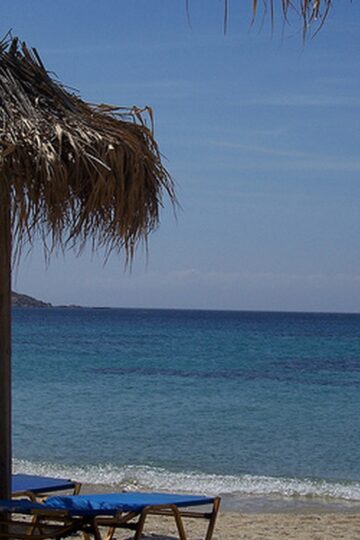

Portugal is often described as an easy destination, compact, affordable, and well-connected. That’s all true. But what really makes it special is how well it suits slow travel.
This is a country that doesn’t ask to be rushed. From long lunches to unhurried train rides and afternoons that stretch into evenings, Portugal invites travelers to move at a gentler pace.
Traveling slowly from Lisbon to the Algarve allows time to notice the details that are often missed when moving too fast: the sound of trams climbing steep streets, quiet inland towns that rarely make it into itineraries, and coastal views that reward patience.
Start Slow in Lisbon
Lisbon isn’t a city that rewards rushing. Its hills, trams, and viewpoints naturally slow things down, often in the best way. Wandering through neighbourhoods like Alfama or Graça usually leads to small surprises — a quiet square, a local café, a view worth sitting with for a while.
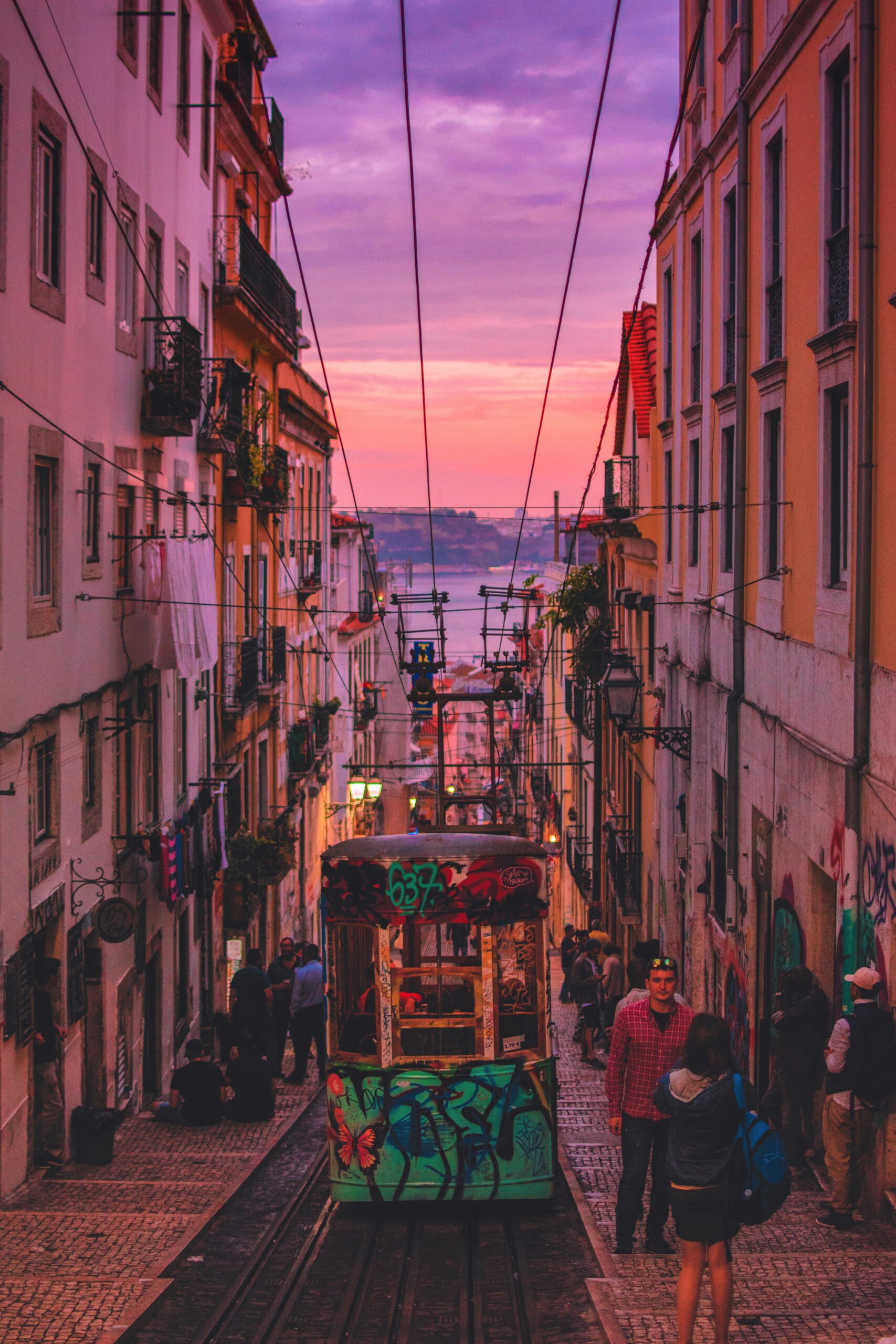
Spending a few extra days in one area rather than trying to see the whole city makes Lisbon feel more personal. Returning to the same coffee spot, walking the same streets at different times of day, and letting plans stay loose all help the city open up a little more, especially when you rent a flat in Lisbon and give yourself the time and space to settle into a familiar rhythm.
Stop 1: Setúbal or Arrábida Coast
Less than an hour south of Lisbon, Setúbal and the Arrábida coast are often skipped — which is exactly why they’re worth stopping for.
Setúbal still feels local. It’s a working port town with great seafood and very little pretense. Just outside the city, Arrábida’s beaches feel almost out of place, with clear water and steep cliffs that make it hard to believe Lisbon is so close.
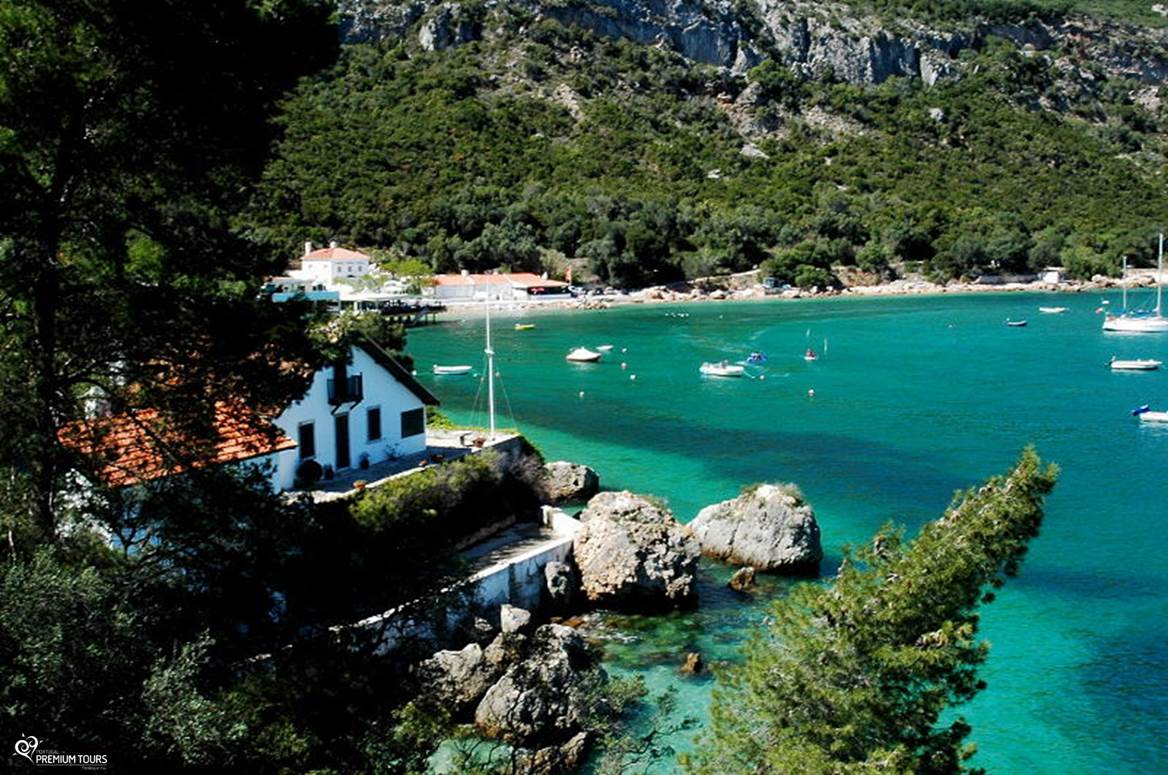
Spending a night or two here eases the transition out of the city. It also helps avoid the feeling of charging straight toward the Algarve without stopping to breathe.
Stop 2: Évora and the Alentejo
Heading inland to Évora brings a completely different rhythm. This small Alentejo city is walkable, historic, and unhurried. Roman ruins, whitewashed streets, and long, quiet afternoons define the experience here.
Évora is also a great introduction to Alentejo life — long lunches, local wine, and evenings that stretch out without much happening at all. Staying overnight rather than visiting as a day trip allows time to enjoy the stillness that makes the region special.
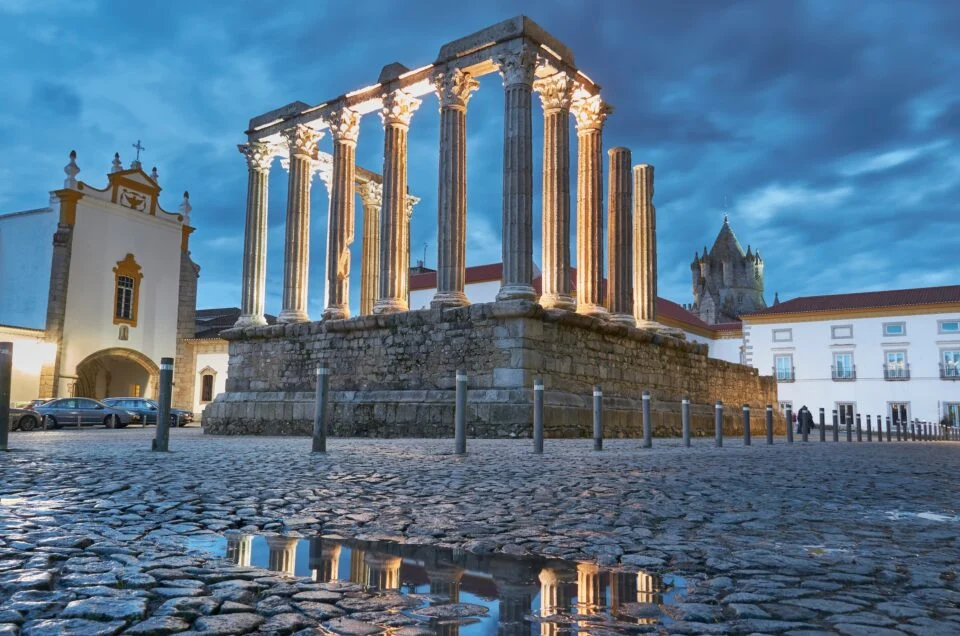
For travelers wanting to slow down even more, surrounding Alentejo towns or countryside guesthouses offer an even quieter alternative.
Stop 3: Vila Nova de Milfontes
Back on the coast, Vila Nova de Milfontes is a natural pause before reaching the Algarve. Located along the Alentejo coast, it feels less polished and more relaxed than the Algarve towns further south.
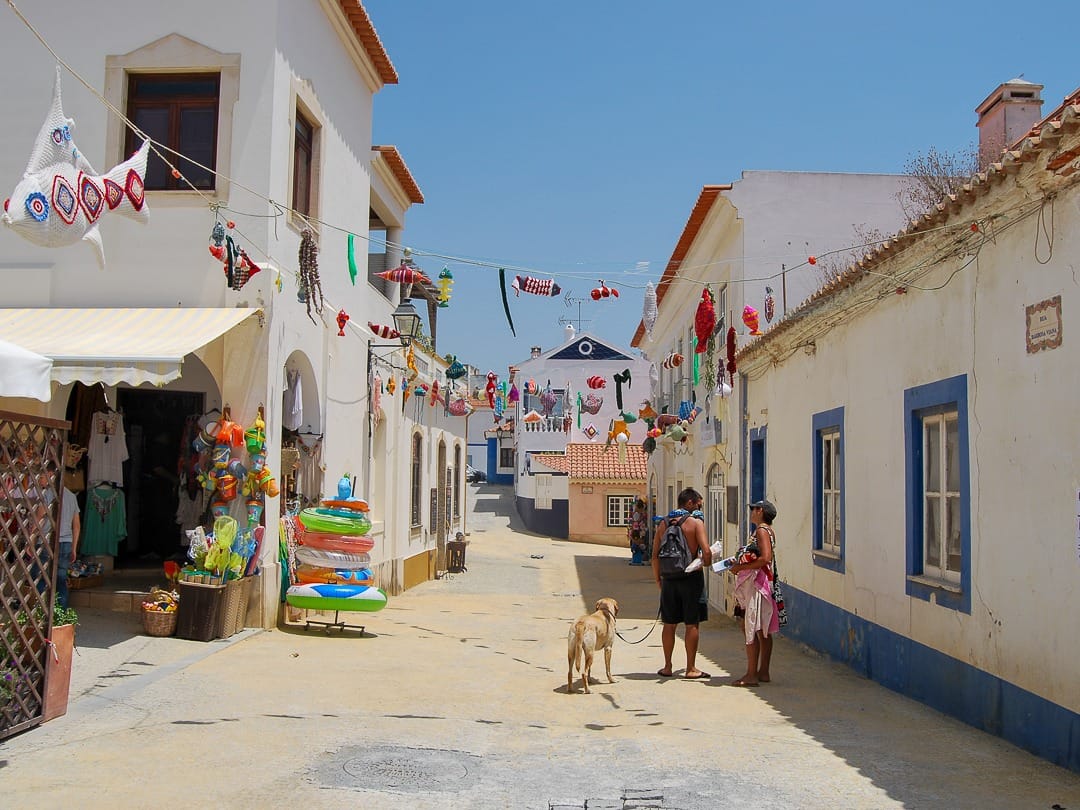
Here, days revolve around river beaches, ocean walks, and casual meals. It’s the kind of place where plans don’t matter much, making it an ideal stop for travelers easing into a slower rhythm before continuing on.
Arriving in the Algarve, Gently
When the Algarve comes into view, the pace has already changed. Instead of trying to visit several cities, slow tourism prefers to choose just one and stay there.
Lagos, for example, offers a balance between beaches, history, and trails. Tavira, on the other hand, is quieter and more traditional, especially outside of peak season.
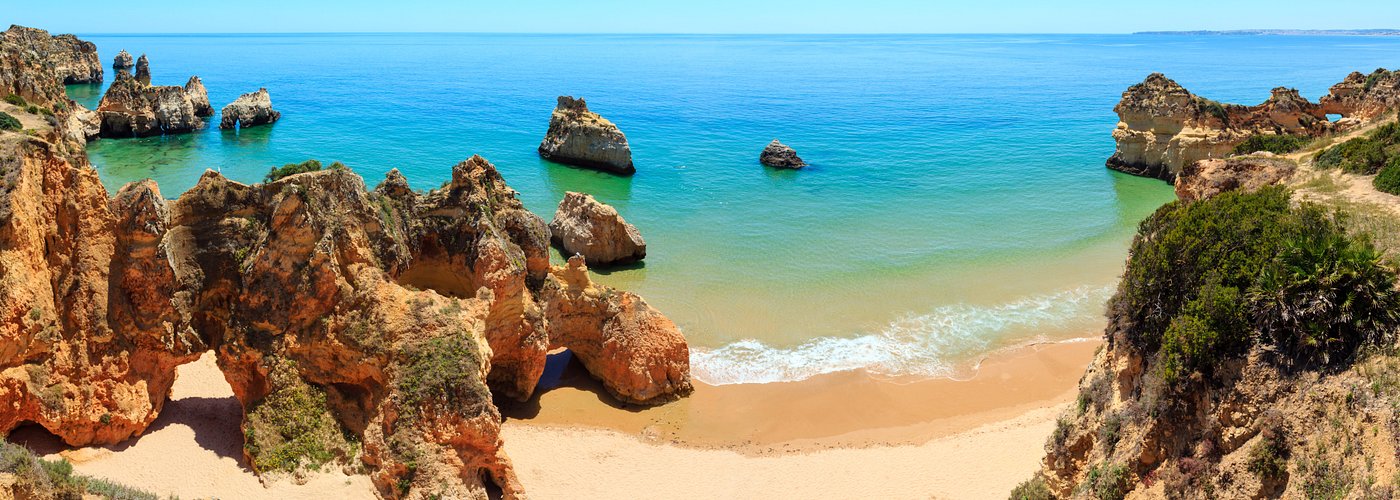
Smaller villages just outside the main towns can be even more peaceful, with easy access to the coast and fewer crowds.
Staying in one place allows days to unfold naturally — beach time when the light is right, markets when they happen to be on, and evenings that don’t revolve around reservations.
Let Public Transport Support the Pace
Portugal’s trains and buses make slow travel surprisingly easy. Coastal train routes are scenic and affordable and buses provide efficient connections to smaller towns. Using public transport removes the pressure of driving and keeps the journey flexible.
Staying connected helps everything flow more smoothly, checking schedules, navigating towns, or adjusting plans along the way. A Holafly eSIM for Portugal fits naturally into this style of travel, keeping maps, messages, and bookings accessible without relying on café Wi-Fi or local SIM cards.
Leave Space for the Unplanned
One of the biggest benefits of slowing down is how much easier it becomes to say yes to the unexpected.
A local recommendation turns into a detour. One night becomes two. A place that wasn’t on the original plan ends up being the most memorable part of the trip.
Portugal is forgiving that way. Distances are short, costs are manageable, and changing plans rarely feels like a problem. More often than not, the moments that stick are the ones that weren’t planned at all.