
Executives are unusually good at booking flights and unusually bad at taking weekends. The irony is that Houston sits within driving distance of some of the most restorative federal land in the country, and the barrier is rarely money or time off. It is that nobody has done the logistics.
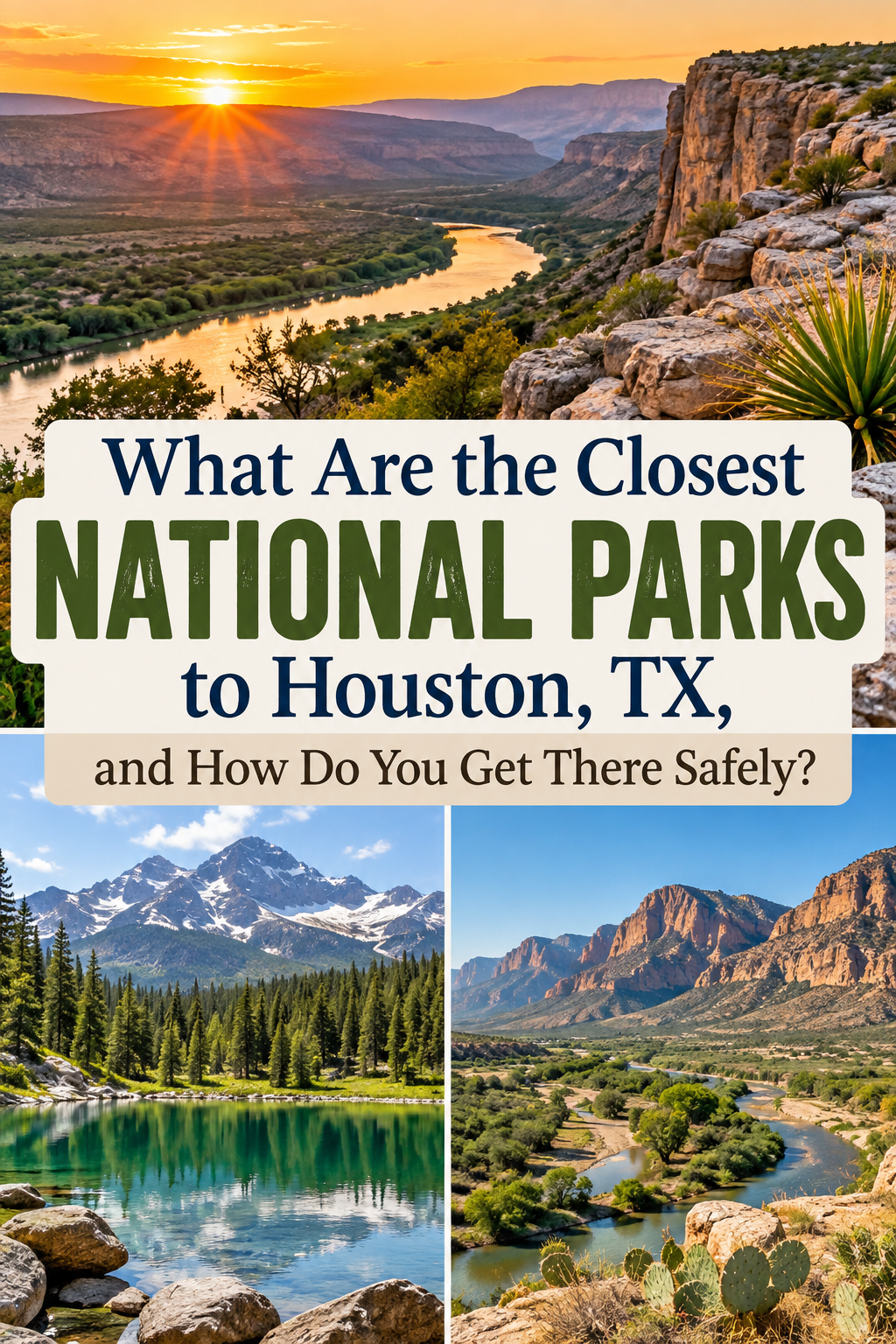
So here are the logistics: what is actually reachable from Houston, how long each drive really takes, and the part of the plan most people skip, which is the drive itself.
What Is Actually Within Reach of Houston
Big Thicket National Preserve about 90 minutes northeast
The closest federal unit to the city is the most underused. Big Thicket protects a convergence of ecosystems that has earned it international biosphere status, with paddling trails and boardwalks that work as a half-day trip.
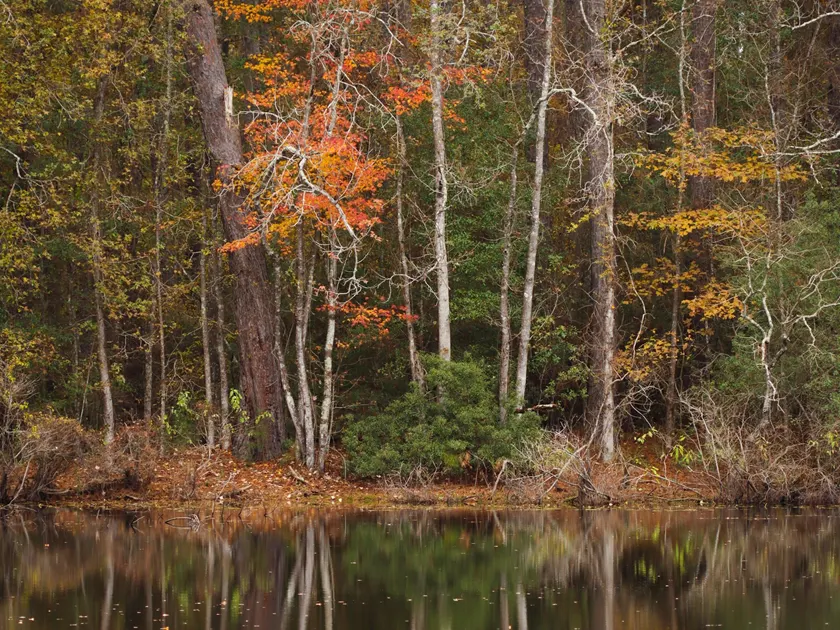
The preserve's visitor information covers unit access points, which matter here because the preserve is not contiguous; it is a scattered set of units, and arriving at the wrong one costs an hour.
San Antonio Missions National Historical Park about three and a half hours west
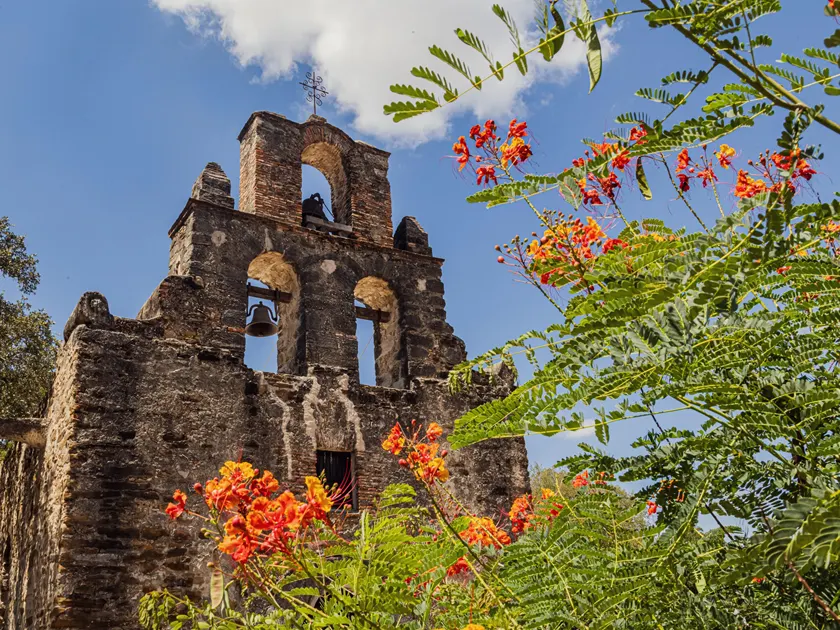
Four Spanish colonial missions along a linked trail, and a UNESCO World Heritage site. It pairs well with a night in San Antonio and is the easiest of these to do with a group that has mixed appetites for hiking.
Padre Island National Seashore about five and a half hours south
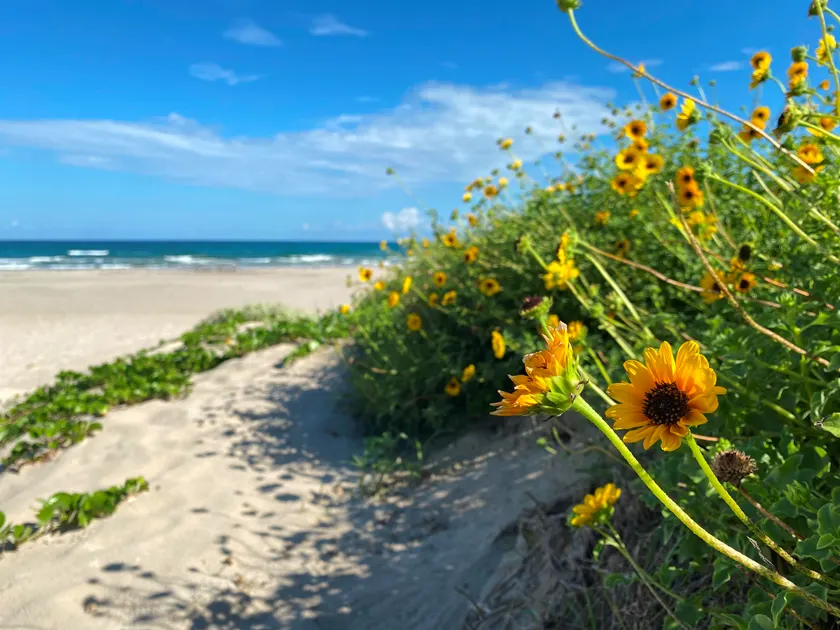
Seventy miles of undeveloped barrier island and the longest stretch of its kind left in the world. Check conditions before committing, since beach driving and seasonal closures affect access, and four-wheel drive is genuinely required past a certain point.
Big Bend National Park the long haul
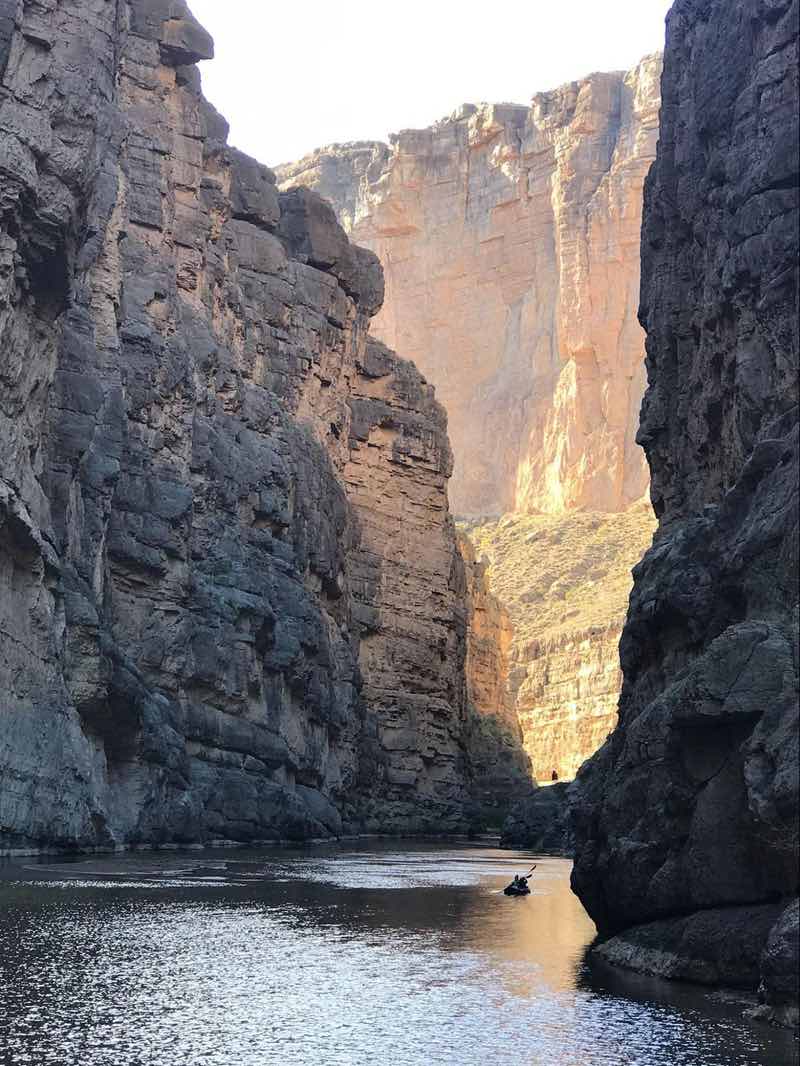
Roughly nine to ten hours from Houston. This is a two-nights-minimum trip, and the one people most often underestimate, because the last stretch runs through country with very little fuel, cell coverage, or traffic to flag down if something goes wrong. Plan fuel stops from the map rather than from habit, since the gap between stations out there is longer than most drivers have ever needed to think about.
The Drive Is the Risk, Not the Destination to Houston
Wilderness feels like the dangerous part of these trips. Statistically, the interstate is. The exposure is concentrated in the transit, particularly on the long rural stretches where speeds are high, lighting is poor, and help is far away.
Two conditions do most of the damage on Texas park runs. The first is the late departure, leaving after a full workday to save a vacation day, which puts the drive squarely in the window when fatigue and darkness compound each other. The second is the unfamiliar rural two-lane road, where drivers carry interstate speeds onto roads that were not built for them.
The rural road is a different vehicle environment
East Texas routes toward Big Thicket in Houston run through timber country with limited shoulders and frequent logging traffic. West Texas routes toward Big Bend involve long unlit stretches, open range where livestock genuinely appear on the roadway, and deer activity concentrated at dawn and dusk, the same hours drivers push into when they are trying to make time.
None of that is exotic or unmanageable. It simply requires a different speed than the one that feels normal after three hours of interstate, and the adjustment tends to happen after the first close call rather than before it.
Fatigue Is the Executive Blind Spot
The professional habits that make someone effective are exactly the ones that make this dangerous. People accustomed to pushing through tiredness treat drowsiness as a discipline problem rather than an impairment.
It is not. Federal safety researchers place drowsy driving alongside impairment in its effect on reaction time and judgment, and NHTSA's guidance on drowsy driving is direct that the only real countermeasure is sleep. Coffee, cold air, and loud music change how alert you feel without changing how alert you are, which is the specific reason microsleeps catch people by surprise.
The practical fix is unglamorous. Leave in the morning. Split anything past five hours across two drivers or two days. Treat the drive as part of the trip rather than as an obstacle before it.
When the Drive Goes Wrong Far From Home
A crash on a rural highway in Houston differs from a crash in the city in ways that matter later. Response times are longer, there are fewer independent witnesses, and the investigating agency may be a county sheriff's office rather than a municipal department, which affects how quickly a report becomes available.
According to Eric "Brad" McClelland, an Associate Attorney handling Texas personal injury matters at RTRLAW, the evidence problem in out-of-town crashes is usually one of timing rather than availability: skid marks weather, roadside cameras overwrite, and the other driver's employer, if a commercial vehicle was involved, is under no obligation to preserve records nobody has asked for. Anyone reviewing a claim after a trip that started or ended in Harris County generally works with car accident lawyers in Houston rather than counsel near the crash site, because the venue analysis and the medical treatment usually both point home.
Building the Trip to Houston So the Reset Actually Happens
Match the destination to the time you genuinely have. Big Thicket close to Houston works on a Saturday. The Missions want an overnight. Padre Island needs a real weekend, and Big Bend needs three days and a fueling plan.
Then build the drive deliberately: depart rested and early, confirm access conditions on the park's own page rather than a third-party listing, download offline maps for the stretches without coverage, and carry more water than seems reasonable. Executives who treat the transit with the same seriousness they would give a client meeting tend to arrive able to enjoy what they drove all that way to see.