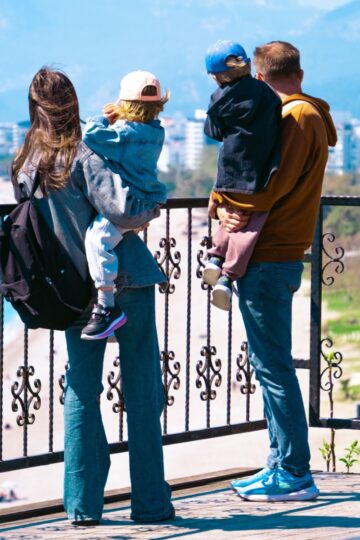

If you love camping as much as I do, these 5 Family-Friendly Tips for Off-Grid Camping Adventures will have you packing to hit the road with your loved ones. Camping off-grid gives you a chance to reconnect with yourself and with nature.
You spot camp life fast on a family trip. Wet shoes pile up, snacks disappear, and flashlights go missing. That is why a little planning helps so much. It keeps the trip calm, simple, and fun.
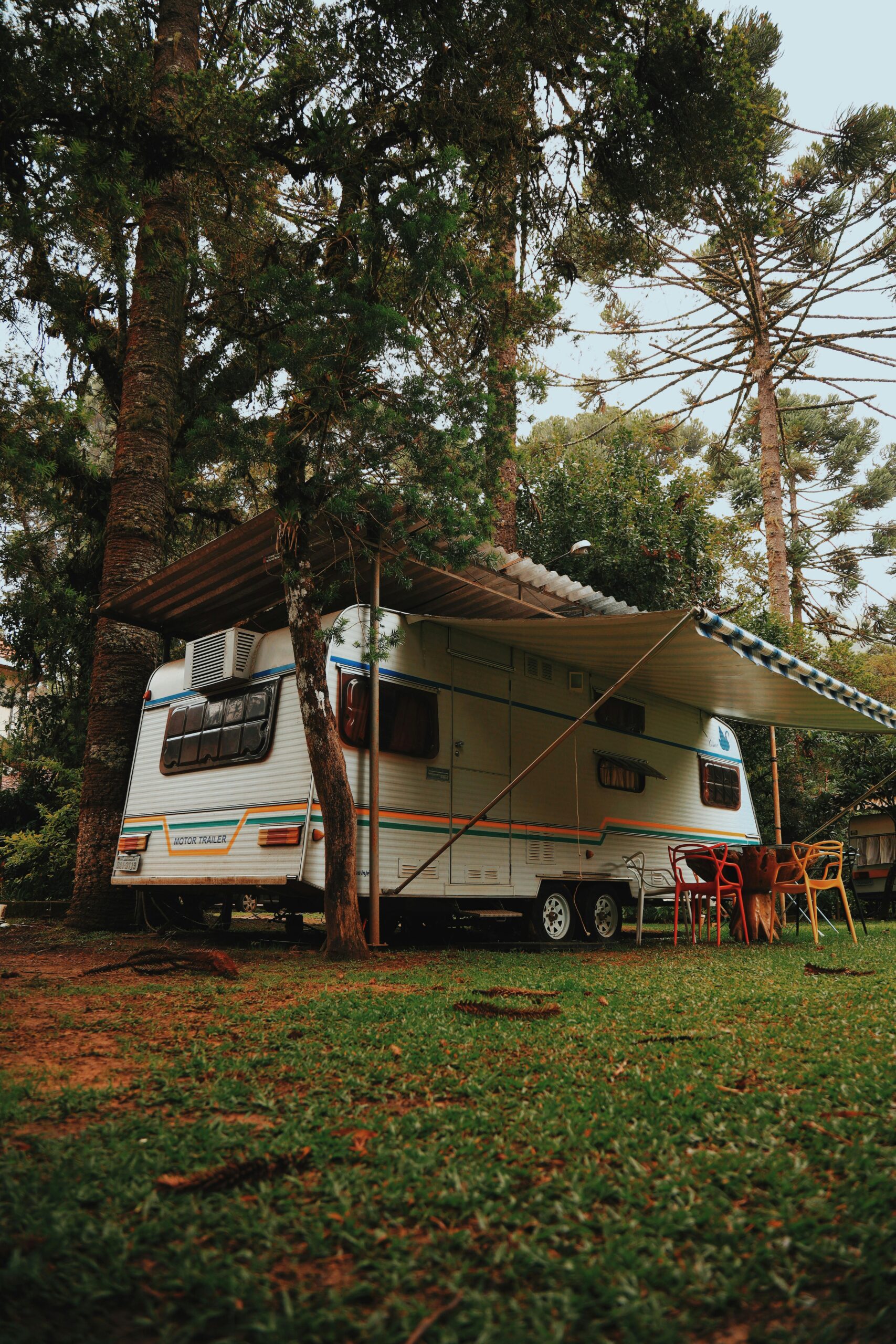
A stay like camping in Hiellen Village Longhouses gives families a great base outdoors. You get beach access, forest trails, and a quieter pace.
That setup feels refreshing, but it also asks for smart preparation. You do not need expensive gear or a packed schedule. You just need clear routines, easy meals, and a little flexibility.
Pack For Comfort And Keep Things Easy
A family camping trip runs better when everyone finds their things fast. Kids stay calmer, and parents waste less time searching. Simple packing also helps you enjoy the place more. You spend less energy fixing small problems all day.
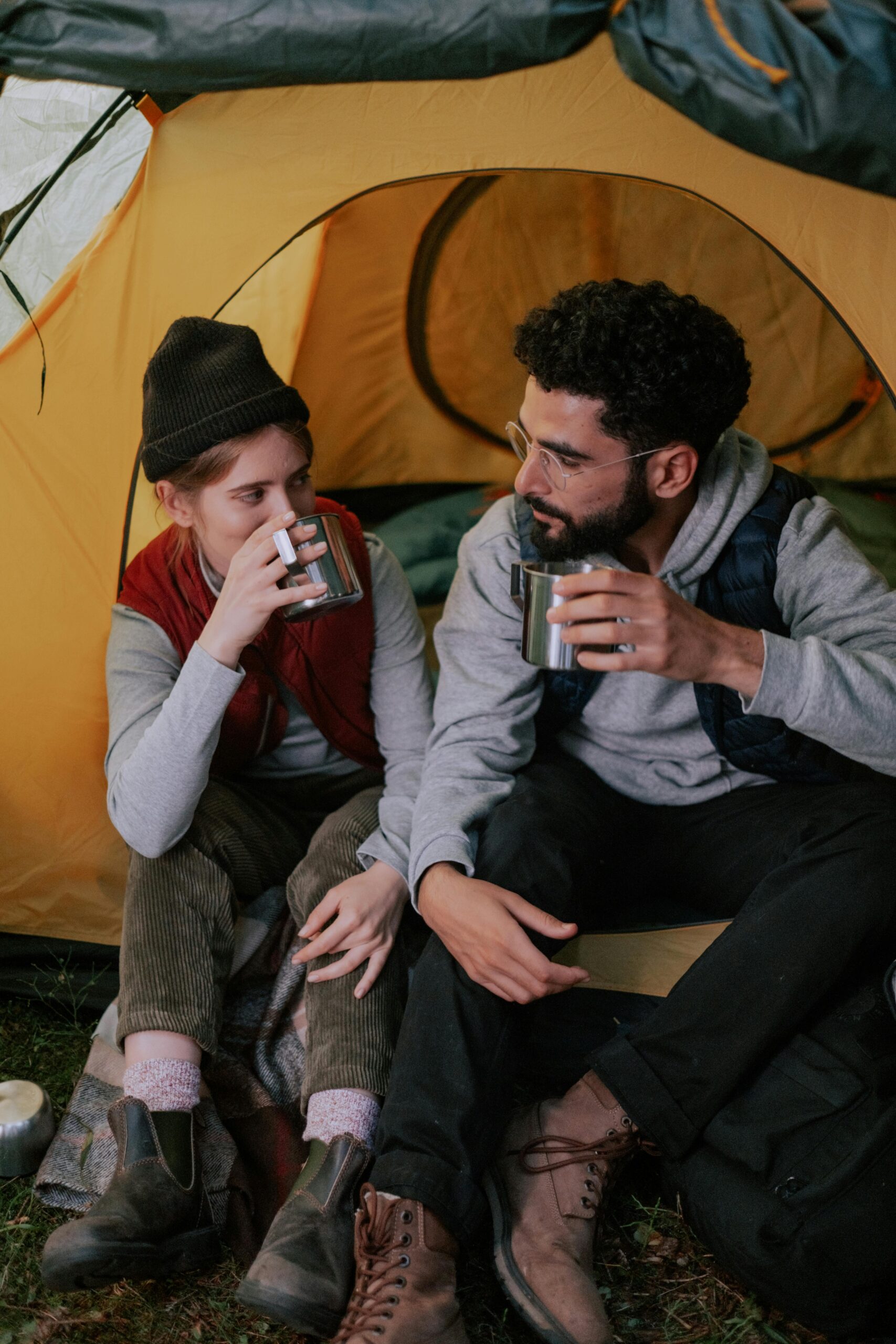
Focus On Basics First
Start with the gear you will use most. Warm layers, dry socks, and a good flashlight will help more than novelty items. A towel, water bottle, and rain jacket should be easy to grab. These items come up all the time.
The National Park Service shares the Ten Essentials for outdoor trips. That list covers safety basics like food, water, light, and first aid. It gives families a solid starting point.
Sort Gear By Use, Not By Person
Packing by category makes camp life easier. Keep sleep gear together and cooking supplies in one place. Put outdoor layers in one bag or bin.
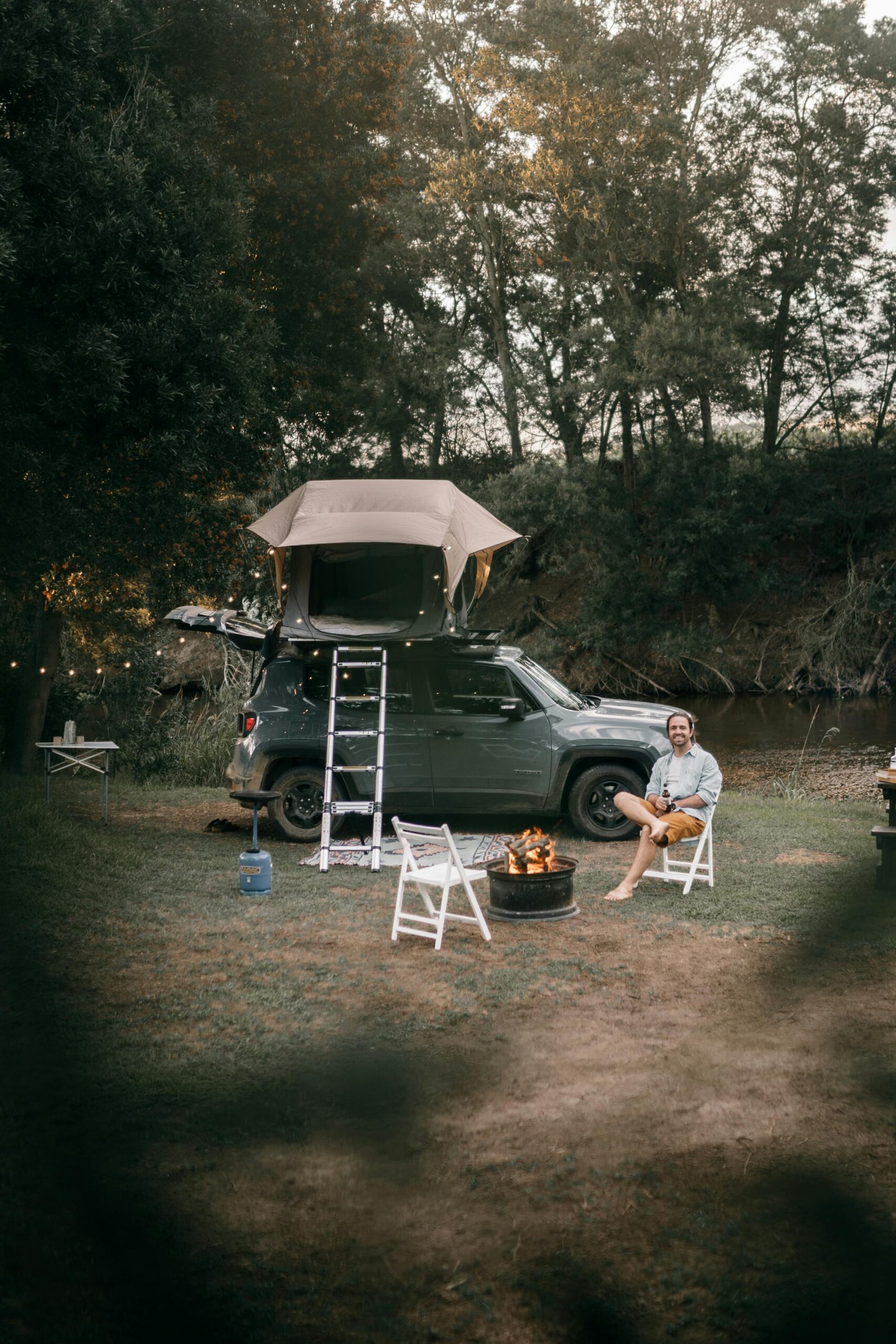
Store hygiene items together so bedtime feels less chaotic. This setup helps children learn the routine. They know where to find things without asking every time.
A Simple Setup For Kids
A small system works well for younger campers. It keeps daily tasks clear and cuts down stress.
- One bag for clothes and layers
- One pouch for snacks and small items
- One flashlight for bedtime trips
- One dry outfit saved for the evening
This approach keeps things practical. It also helps children feel more independent during the trip.
Keep Meals Simple And Familiar
Food shapes the mood of the whole trip. When meals feel easy, the day feels easier too. Families do better with food that feels familiar. That does not mean the menu needs to feel boring.
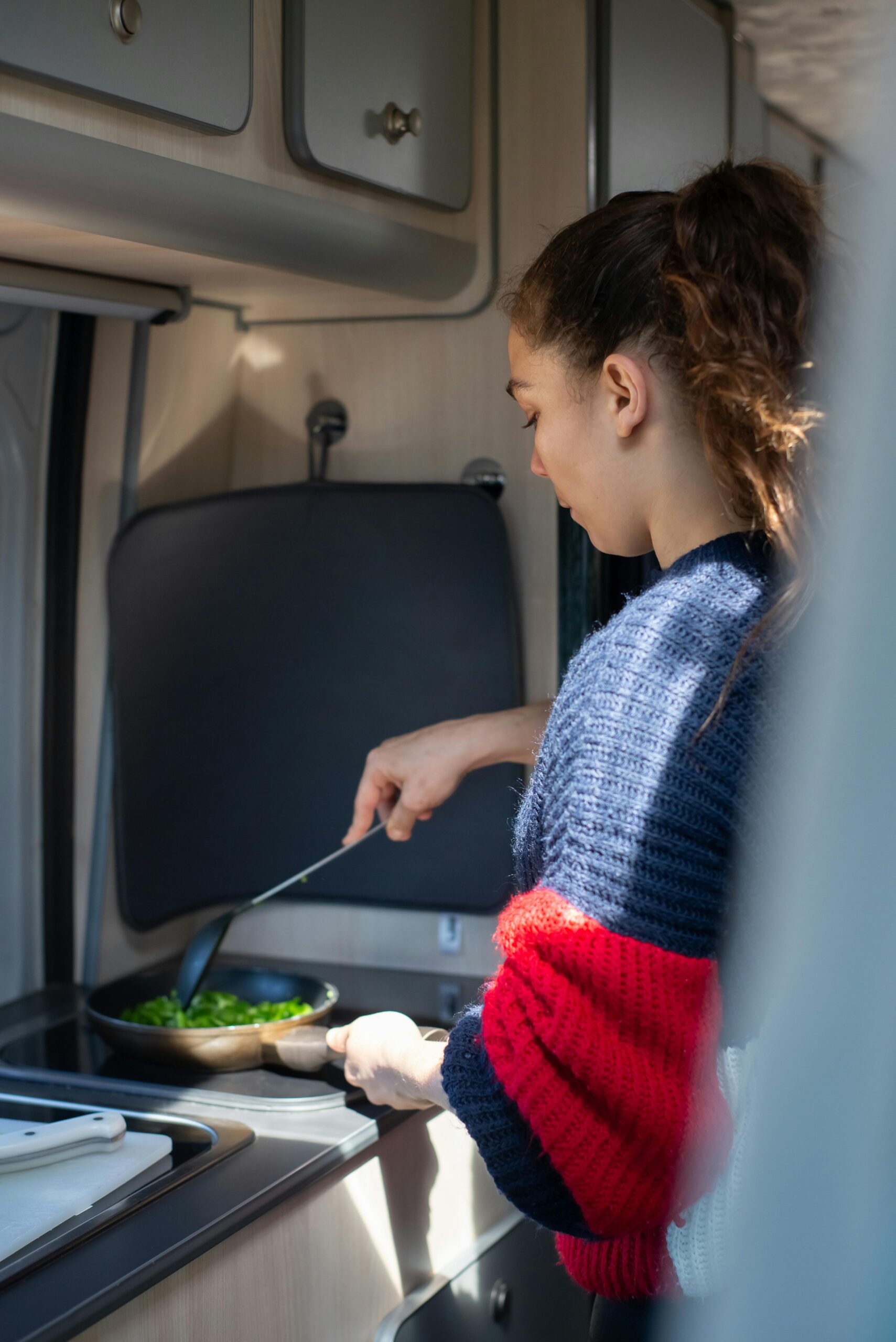
Build Meals Around Easy Wins
Think in simple parts when planning camp meals. Choose one base, one protein, and one comfort item. Oatmeal, wraps, fruit, eggs, soup, and foil packets work well.
They are easy to prep and easy to clean up. Kids also do better with a steady food rhythm. Breakfast before an outing helps. A packed lunch keeps energy up. A warm dinner helps everyone settle at night.
Bring Snacks That Travel Well
Portable snacks save the day on family trips. They help during hikes, beach walks, and slow afternoons.
Things like trail mix, apples, crackers, and cheese work well. So do soft granola bars or snack pouches. If you want a homemade option, granola pouches fit nicely into camp plans. They travel well and feel easy to hand out during the day.
Keep Cleanup Part Of The Routine
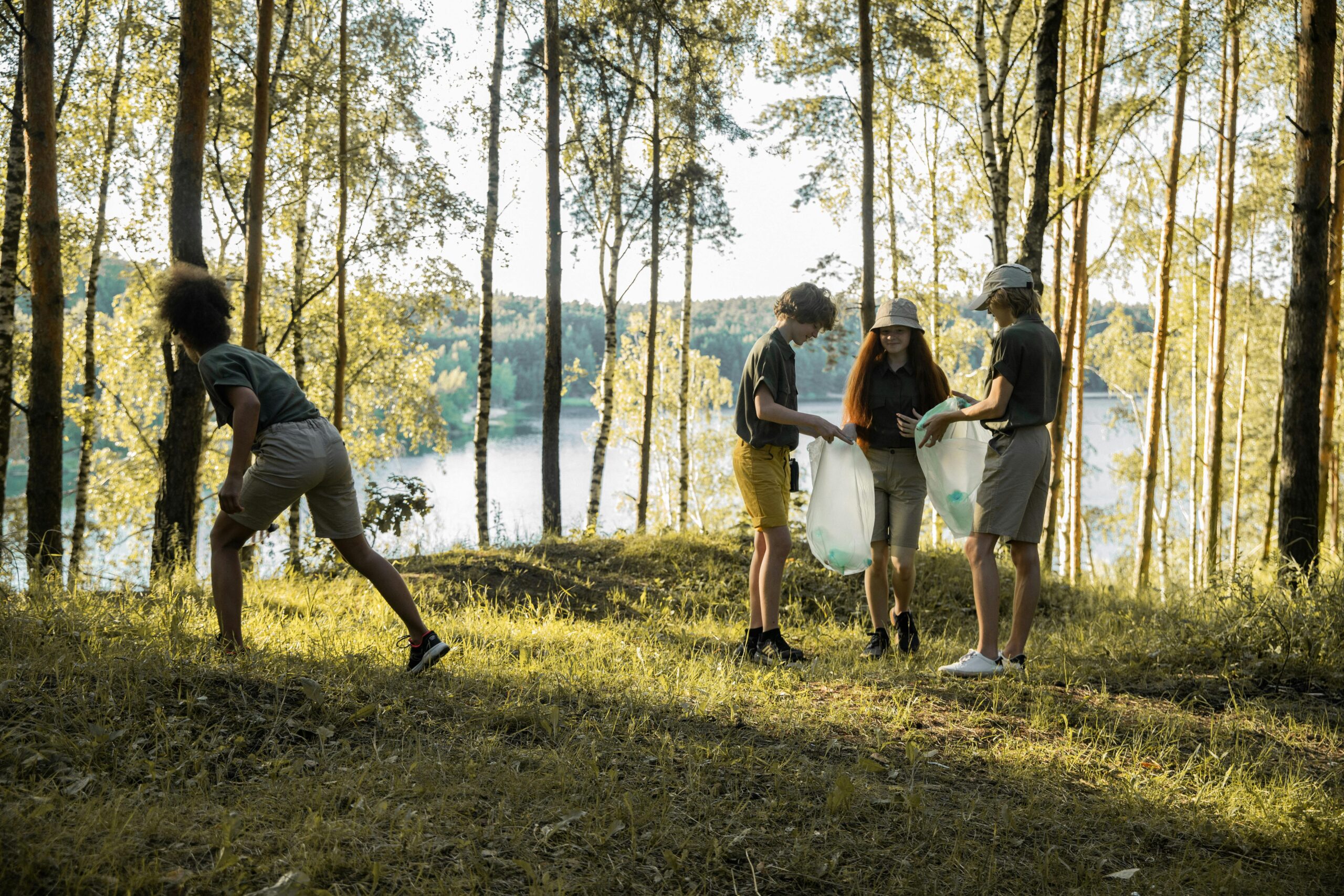
Meal cleanup should happen right away. That one habit keeps the camp space calmer. It also helps protect the area around you. Open food and loose wrappers can draw wildlife fast. Leave No Trace offers clear advice on food storage, waste, and campsite care. Their guidance helps families camp responsibly. A quick cleanup after eating saves time later. It also makes the next meal feel much less stressful.
Plan Your Day Around Energy Levels
Family camping goes better when the day has a loose rhythm. That rhythm helps everyone stay comfortable outdoors. You do not need a detailed schedule. You just need a plan that fits the setting and your family.
Start Strong In The Morning
Morning often feels best for walks and beach time. Kids usually have more energy than. Parents also enjoy the quiet early hours. The weather often feels milder, too, which helps. At places like the Hiellen Village Longhouses, families can enjoy North Beach, Tow Hill, and nearby forest areas. That makes short outings easier to manage. You can go out, come back, and reset without losing the whole day.
Keep Afternoons Flexible
Afternoons can feel slower, especially after a long walk. Wind, damp clothes, or skipped snacks catch up fast. That is a good time to scale things down. Rest, a small snack, or quiet play can help a lot. A slower afternoon also keeps evenings calmer. Kids often sleep better when the second half of the day feels lighter.
A Simple Daily Pattern
This kind of trip feels easier with a gentle structure. Something simple often works best.
- Plan one main outing before lunch
- Keep one small backup plan for bad weather
- Leave evening time open for dinner and rest
This rhythm gives kids enough predictability. It also gives adults room to adjust without stress.
Teach Outdoor Habits In Small Ways
Children pick up outdoor habits better during the trip itself. Small tasks feel clearer than long talks. That is why daily routines help so much. They teach care, respect, and responsibility in a natural way.
Turn Everyday Tasks Into Simple Lessons
Ask a child to zip the food bag closed. Let them carry out a wrapper or return the flashlight. These jobs feel small, but they build good habits. Kids feel useful when they help in real ways. You can also repeat a few simple rules each day. Stay on the path, keep food put away, and leave shared spaces tidy.
Keep The Rules Clear And Concrete
Children respond better when the reason feels clear. A direct explanation works better than a vague warning. You might say you stay on trails so plants can keep growing. You might say you store food to avoid problems with wildlife. That kind of explanation feels easier to remember. It also helps children take the rule seriously.
Outdoor Habits That Help Families
This part does not need to feel heavy. Keep it simple and repeat it often.
- Put trash away right after using it
- Return the gear to the same place each time
- Brush off sand and mud before going inside
- Keep voices lower in the evening
These habits help children feel grounded. They also make camp life easier for everyone around them.
Make Evenings Warm And Calm
Evenings shape the next day more than people expect. If kids go to bed cold, everyone feels it later. That is why a smooth night routine helps so much. It sets up better sleep and easier mornings.
Reset Before It Gets Dark
Try to sort the sleeping area before sunset. Lay out pajamas, dry socks, and flashlights early. Fill water bottles and place shoes where people can find them. Small steps prevent the usual nighttime scramble. This reset also helps adults relax sooner. You get less last minute searching and fewer bedtime problems.
End The Day With Familiar Comforts
A warm meal can change the whole tone of the evening. So can a hot drink or one simple dessert. Kids often feel better with something familiar after a full day outside. That sense of routine helps them settle. A fun treat can help too. Something like s'mores on the griddle keeps the mood light without much effort.
Let The Day Wind Down Naturally
You do not need to fill the evening with activities. A little quiet time often feels better. Dinner, a short chat, and an early bedtime can be enough. That slower pace fits off-grid trips well. Families usually remember the calm parts most. They remember warm socks, beach air, and stories before sleep. The best family camping trips do not feel perfect. They feel comfortable, well paced, and easy to enjoy. When people stay fed, dry, and rested, the whole trip flows better.