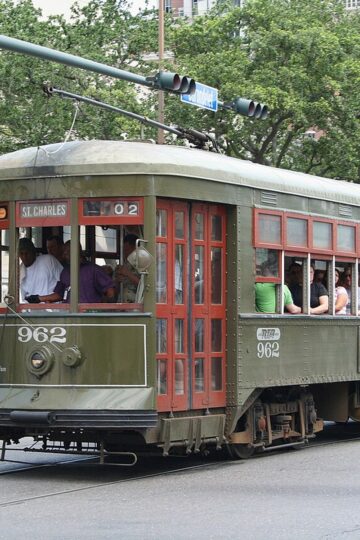

London is known for being crowded, expensive, and a bit chaotic. It’s not a great message if you are travelling with your family. In fact, it becomes one of those places where you can “live” the city if you don’t worry about “doing” it.
It’s a question of pace.

Getting Your Bearings Early
Day one in London is important. Not for its attractions, but for its convenience. If you can get around quickly and easily, get where you need to be without undue anxiety and make decisions on the fly, the rest of the trip becomes easier.
This is where technology matters more than is realised. How to get to the museum, the train ticket, where to eat, even which side of the station to enter all rely on your phone being able to work without a moment’s hesitation, so often people make arrangements before they travel and use UK eSIM, rather than worry about it later.
With it, the city becomes a more accessible place.
Food That Works for Everyone

We hear a lot that London has a diverse food scene, but I don’t think that’s quite right. It’s not so much diversity but convenience that makes it so interesting.
With family, flexibility wins. Borough Market is not a must-visit but it’s a solution. There’s no need to agree where to go. You browse and buy, and everyone gets what they want. It’s crowded, but that usually doesn’t matter.
If you prefer to sit and eat, pubs are still where it’s at. At lunchtime, many are laid back, offering unpretentious menus. Fish and chips, pies, roasts, unpretentious food that doesn’t take long. That’s important when you’re travelling with children.
The great thing is, there are plenty of child-friendly London restaurants to choose from.
And the more gentle places. A coffee shop in Hampstead, a bakery in Notting Hill, some place on the South Bank where you can sit and linger. These are usually unplanned, but can be the best part of the day.
Keeping the Day Moving
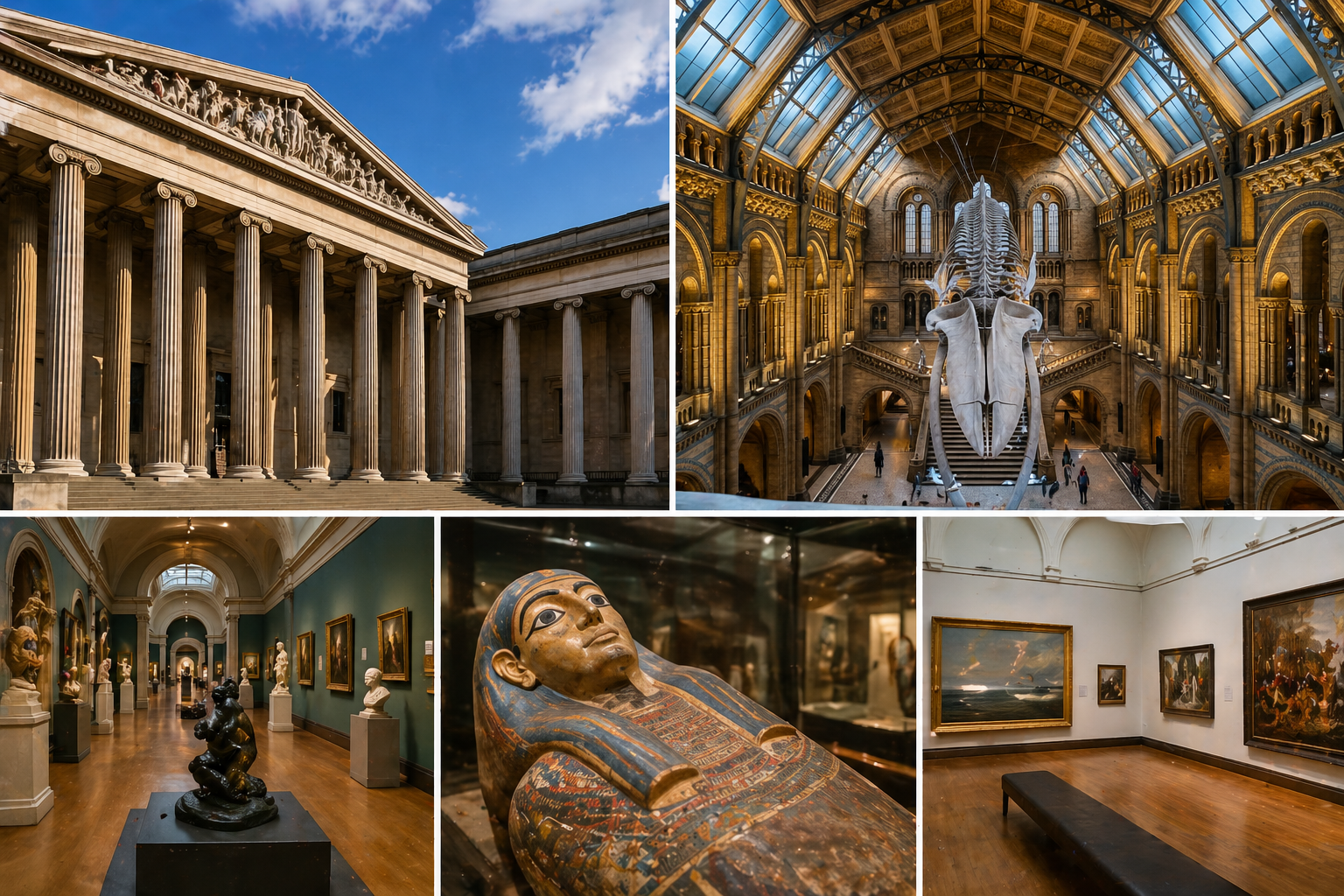
Museums are a great London experience, but some work better than others for kids. The Natural History Museum gets the nod, but it’s deserved. It’s not only informative, but it’s also entertaining.
You can change up the pace at the Science Museum. It’s more engaging and participatory. This is a good thing, particularly if the day gets too long.
But it doesn’t all have to be inside. Green spaces are essential to the body of the city. Hyde Park and Kensington Gardens provide the opportunity to relax, run around with the kids, sit down, and refill your batteries before you head back in. Not taking that time is an easy way to make a day feel longer.
And then there’s all the other stuff. Seeing the street entertainers in Covent Garden, going by bus across town rather than the Tube, and walking over the Thames. None of this is too hard, but it adds dimension to the experience.
Planning Without Overplanning
In London, there is always the temptation to cram. There’s one more church, one more museum, one more club you want to visit.
It rarely works.
The trick is to plan around a single or double landmark. Museum in the morning, lunch nearby, then the afternoon can be a walk, or a park, or whatever strikes our fancy. It provides structure, but without constraining.
This is important for families because levels of tiredness fluctuate. What you think you can do in the morning may be unmanageable in the afternoon.
The Details That Carry the Trip
The little things aren’t obvious in advance, but they are vital when you need them.
Advance tickets to popular sites save precious time. Good shoes are a boon for walking the streets. A raincoat or umbrella comes in handy in summer, too.
And then there’s the little bit of organisation. Tickets in hand, directions at the ready, the power to adapt on the fly without having to think about it. You don’t notice it unless it doesn’t happen.
Letting the City Do Its Job
London doesn’t have to be perfect. It’s better if you let it meander.
You have a plan that you can change. A bit longer in the park, a spontaneous coffee shop, a side street. These things are not apart from the journey, they are the journey. For families, that’s how it isn’t just a to-do list. It makes the city a destination, not a route.