
There’s a moment, usually early on, when planning a wildlife trip starts to feel more complicated than expected.
At first, it seems simple. You want to see wildlife — perhaps something iconic, perhaps something remote. You start looking at destinations, and the options open quickly. Africa, Alaska, Antarctica, Borneo… each one promising something extraordinary.
And they are. That’s not the issue.
The difficulty lies somewhere else. Because not all wildlife experiences feel the same, even when they look similar on paper. Some trips feel immersive, almost effortless. Others, while impressive, feel slightly rushed — as though you’ve seen a lot, but not quite experienced it.
Travellers exploring luxury wildlife holidays, often with specialists such as Wildfoot Travel, tend to arrive at this realisation fairly early. The success of a trip doesn’t depend only on where you go, but on how well the experience aligns with the way you prefer to travel.
And that alignment… It’s easy to overlook.
Why choosing the “right” wildlife holiday matters more than you think
It’s tempting to think that wildlife travel is defined by destination.
Go somewhere known for wildlife, and the experience will follow. That’s the assumption, anyway.
But in practice, two people can visit the same place and come away with entirely different impressions. One feels absorbed, connected, even changed in some small way. The other feels as though they’ve simply passed through.
The difference often comes down to fit.
How the pace suits you. How the environment is experienced. Whether the structure of the trip allows you to engage, or simply observe.
Choosing the “right” wildlife holiday, then, isn’t really about picking the most famous destination. It’s about finding the one that matches how you like to experience the world.
The biggest mistake: Choosing a destination before understanding your travel style
It’s an easy mistake to make.
You begin with the destination — perhaps because it’s well known, or because you’ve seen it recommended. A safari in East Africa, a cruise through Alaska, an expedition to Antarctica.
Each option is compelling.
But without understanding your own travel preferences first, the decision can feel slightly disconnected. You might choose a remarkable place, but not quite right for you.
Perhaps the pace feels too structured. Or too slow. Perhaps the experience is more observational than immersive, or the opposite.
It’s not that the destination is wrong.
It’s the starting point.

Start with your travel style: What kind of experience are you actually looking for?
A better approach begins with a different question.
Not where should I go, but how do I want to experience this?
Some travellers prefer movement — seeing a range of environments, covering ground, building a broader picture. Others prefer stillness — spending time in one place, observing more deeply.
There’s also the question of comfort.
Some want a higher level of ease, where logistics fade into the background, and everything feels seamless. Others are drawn to something slightly more remote, even if it requires a bit more effort.
Then there’s the balance between structure and flexibility. Some enjoy guided, well-defined experiences. Others prefer space to adjust, to follow something unexpected.
None of these is better or worse.
But they shape everything that follows.
Not all wildlife experiences feel the same (and that’s the point)
Wildlife travel, as a category, can be misleading.
It suggests a single type of experience, when in reality it spans a wide range of environments and styles.
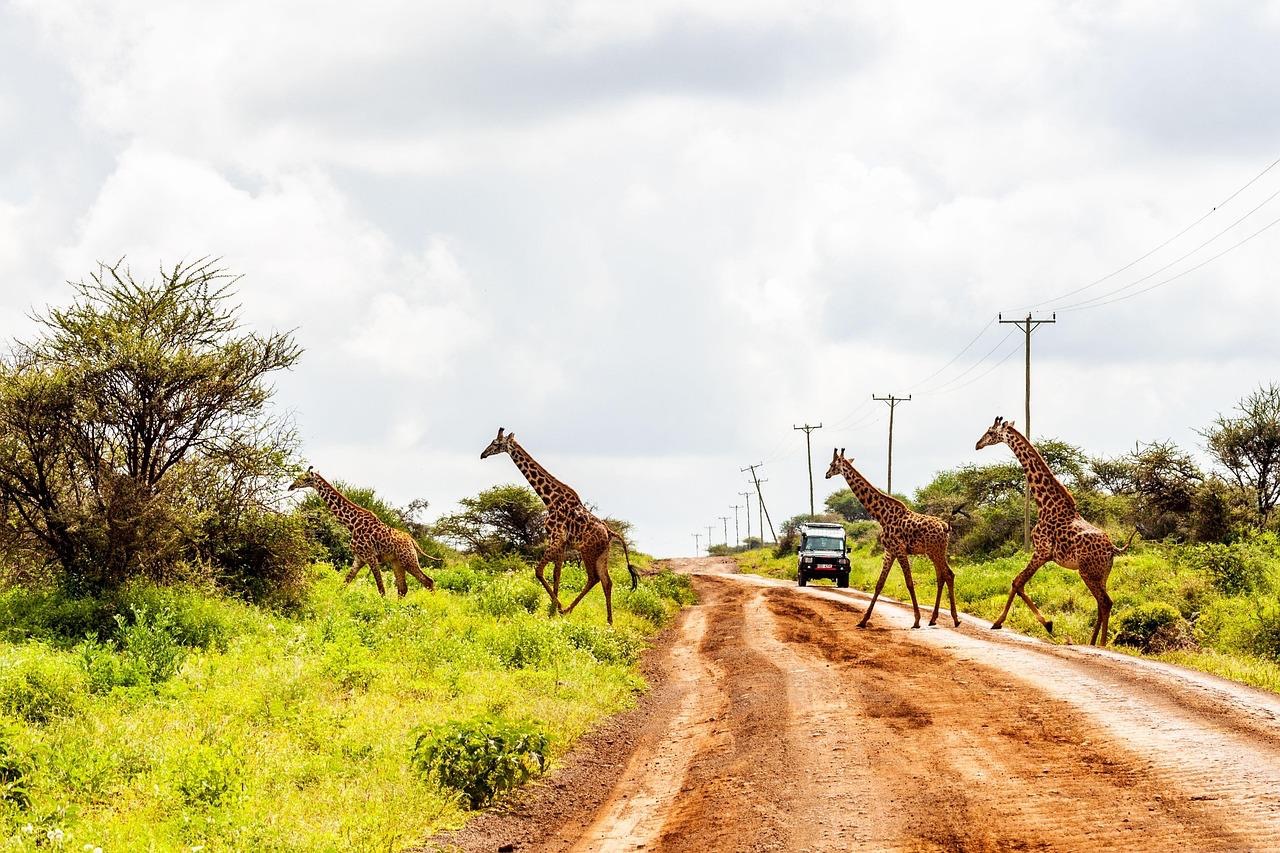
A safari in Africa, for instance, is often structured around game drives. There’s a rhythm to it — early mornings, late afternoons, periods of waiting followed by moments of intensity.
In contrast, an expedition in polar regions feels more fluid. Movement depends on conditions. Wildlife appears unpredictably. The landscape plays as much of a role as the animals themselves.
Jungle environments introduce another layer. Visibility is limited. Encounters require patience. You don’t always see what you expect — but when you do, it feels different.
Coastal journeys, meanwhile, are shaped by water. You move differently, observe differently, even think differently.
The point is not to compare them, but to recognise that each one offers a distinct experience.
Choosing the right destination based on what you want to experience
Once your preferences are clearer, destinations begin to align more naturally.
If you’re drawn to iconic wildlife and relatively consistent sightings, parts of East Africa might feel right. If you prefer something more remote, where the environment feels less structured, polar regions offer a different kind of engagement.
If intimacy matters — smaller groups, closer observation — certain rainforest or island destinations may appeal more.
And if variety is important, places like Alaska bring together multiple ecosystems in a single journey.
The decision becomes less about choosing the “best” place, and more about choosing the one that reflects what you’re looking for.
Pace matters more than people expect
Pace is often overlooked.
It’s easy to assume that more activity leads to a better experience. More locations, more sightings, more movement.
But wildlife doesn’t operate on that logic.
It requires time. Patience. Stillness, at times.
A slower pace allows for observation beyond the obvious. Behaviour, patterns, subtle interactions that are missed when everything is compressed.
It also changes how you feel.
Less rushed. More present. More aware of what’s happening around you, rather than what’s coming next.
And that shift — from doing to noticing — is where much of the value lies.
Group size, guiding and access: The details that change everything
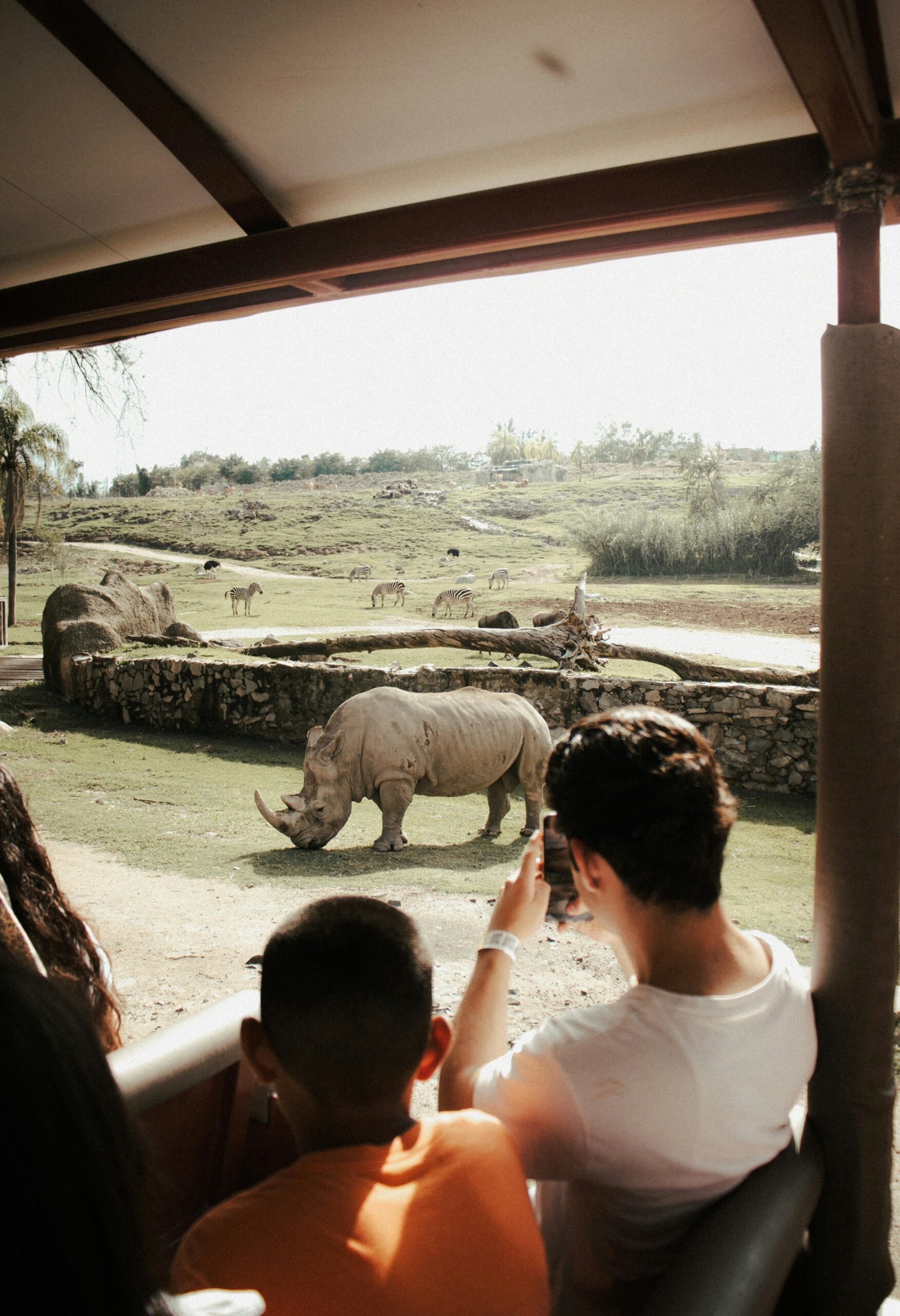
There are elements of a wildlife trip that don’t always appear in brochures, but have a significant impact.
Group size, for example, shapes the experience more than most people expect. Smaller groups allow for flexibility, quieter observation, and less disruption.
Guides play a similar role. A knowledgeable naturalist doesn’t just point things out — they provide context, helping you understand what you’re seeing rather than simply identifying it.
Access matters too.
Remote locations, fewer visitors, the ability to spend time without interruption — these details often define the quality of the experience.
They’re easy to overlook at the planning stage.
But they’re difficult to ignore once you’re there.
What “luxury” really means in wildlife travel
Luxury, in this context, is often misunderstood.
It’s not simply about high-end accommodation or visible comfort. Those elements are present, of course, but they’re not the defining feature.
Instead, luxury becomes something quieter.
Ease of movement. Thoughtful pacing. Access to places that feel less crowded, less structured. The presence of expertise that adds depth without adding complexity.
It’s about removing friction.
And creating space for the experience itself to take priority.
Timing and seasonality: Why, when you travel, shapes what you see
Wildlife is shaped by timing in ways that aren’t always obvious.
Migration patterns, breeding seasons, and weather conditions — all of these influence what you see, and how you experience it.
There’s rarely a single “best” time.
Instead, there are different moments, each offering something slightly different. One season might bring dramatic movement, another quieter observation.
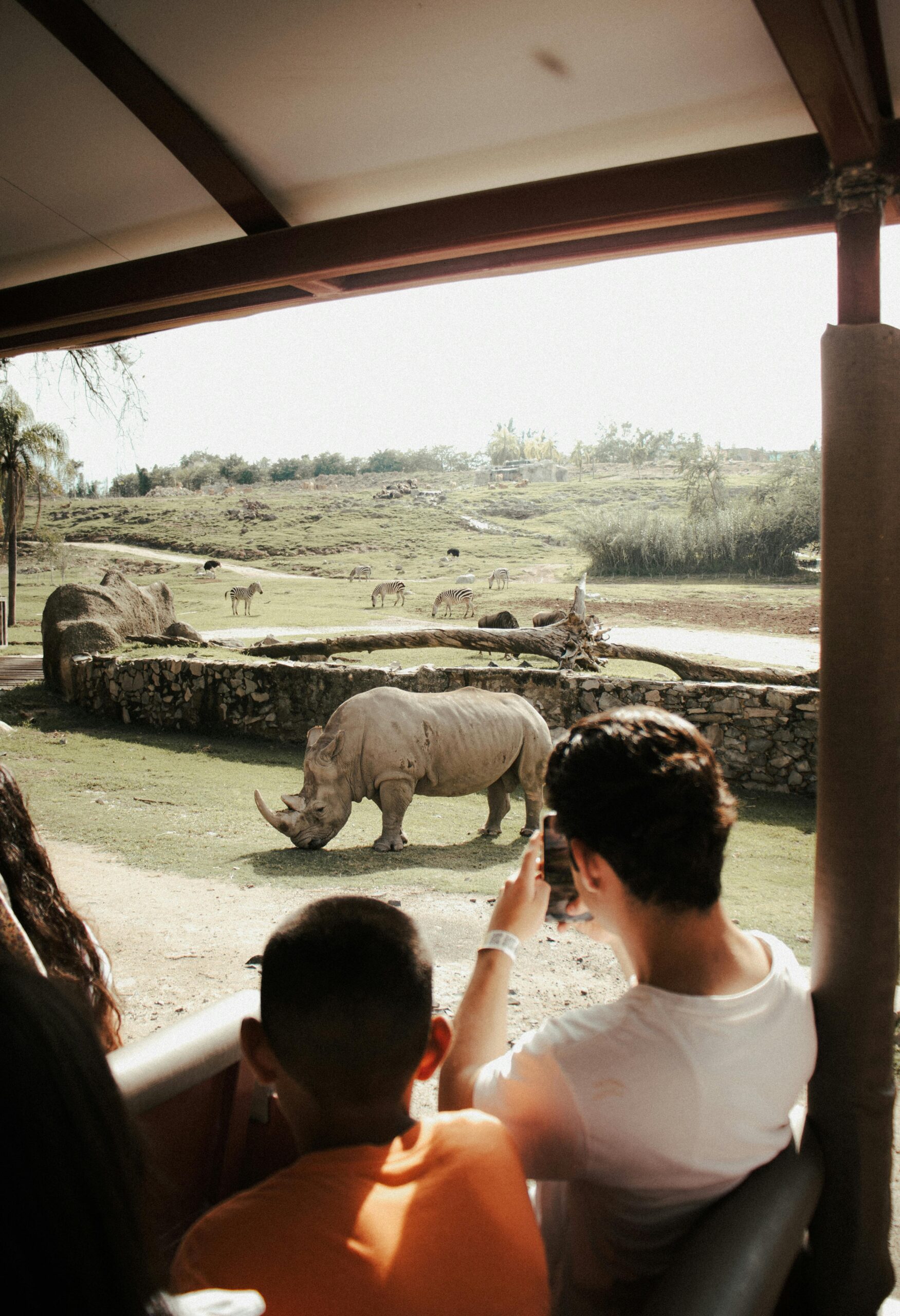
Understanding this doesn’t guarantee a specific experience.
But it allows for better alignment between expectation and reality.
Building a journey that feels balanced, not busy
There’s a difference between a full itinerary and a balanced one.
A full itinerary maximises activity. A balanced one considers flow.
It allows for transitions. For pauses. For moments where nothing is scheduled, but something still happens.
Combining destinations thoughtfully — rather than simply adding them — creates a sense of continuity. The journey feels connected, rather than fragmented.
And that connection changes how the entire trip is experienced.
What the right wildlife holiday feels like (once you’ve chosen well)
It’s not always dramatic.
There may not be a single standout moment. Instead, it’s a series of smaller impressions that build over time.
You feel less rushed. More engaged. More aware of what’s happening around you.
There’s a sense of being present, rather than moving through a sequence of experiences.
And afterwards, what you remember isn’t just what you saw.
It’s how it felt to be there.
The quiet difference: Why tailored planning often leads to better experiences
Planning a wildlife journey isn’t always straightforward.
There are variables — timing, location, logistics, pace — that interact in ways that aren’t always obvious.
Tailored planning helps bring those elements into alignment.
Not by adding more, but by refining what’s already there. Adjusting the sequence. Allowing for flexibility. Matching the structure of the trip to the way you prefer to travel.
It’s a subtle difference.
But one that tends to shape the entire experience.
Choosing less, experiencing more
In the end, the question isn’t which wildlife destination is the best.
It’s which one is right for you.
And that answer rarely comes from comparison alone.
It comes from understanding how you travel. What you value. What kind of experience are you actually seeking?
Because the most memorable wildlife journeys aren’t defined by how much you’ve seen.
But by how deeply you’ve experienced it.