

Nothing beats homemade fresh pasta. Whether you've spent the afternoon rolling silky sheets of fettuccine or shaping delicate ravioli, knowing how to properly dry and store fresh pasta ensures all your hard work doesn't go to waste.
The good news? It's incredibly easy to preserve fresh pasta so you can enjoy homemade meals anytime.
In this guide, I'll walk you through the best methods for drying, storing, and freezing fresh pasta so it stays fresh and delicious.
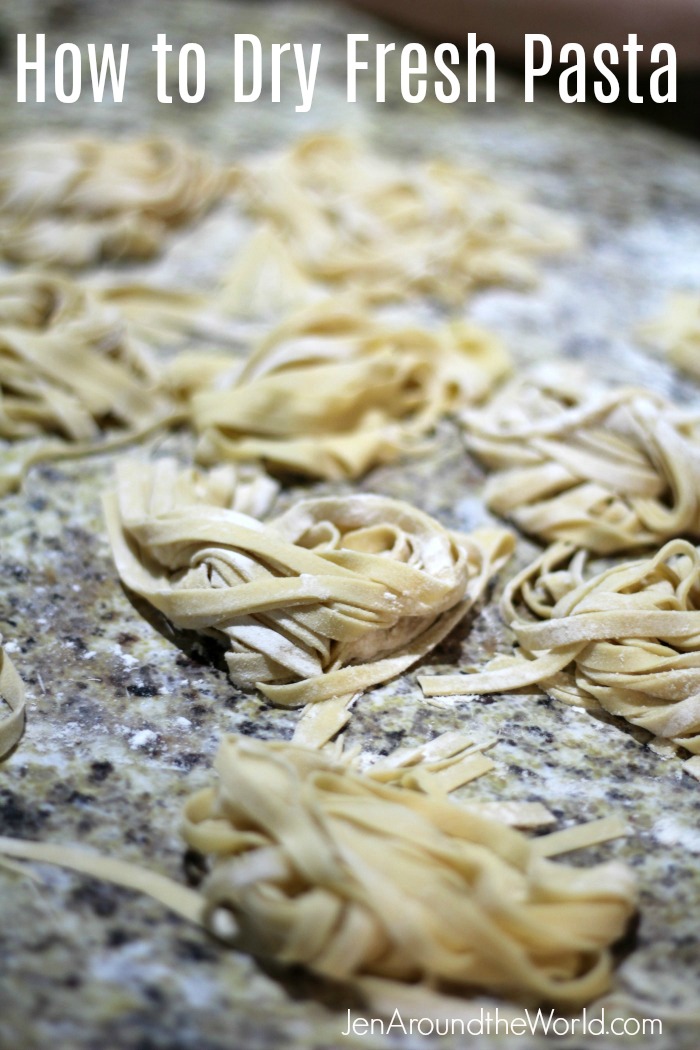
For the longest time now I have been making fresh pasta in my kitchen. A few years ago my husband and kids bought me a Kitchenaid mixer for Christmas, and since then, I have been experimenting and creating beautiful food with it --including fresh pasta!
Since making fresh pasta can be a laborious job, I decided to try and see if I could make a large batch of it and then dry and store fresh pasta to use at a later date.
Here are the tips I learned along the way and the do's and don'ts if you love making fresh pasta as well.
Why Dry Fresh Pasta?
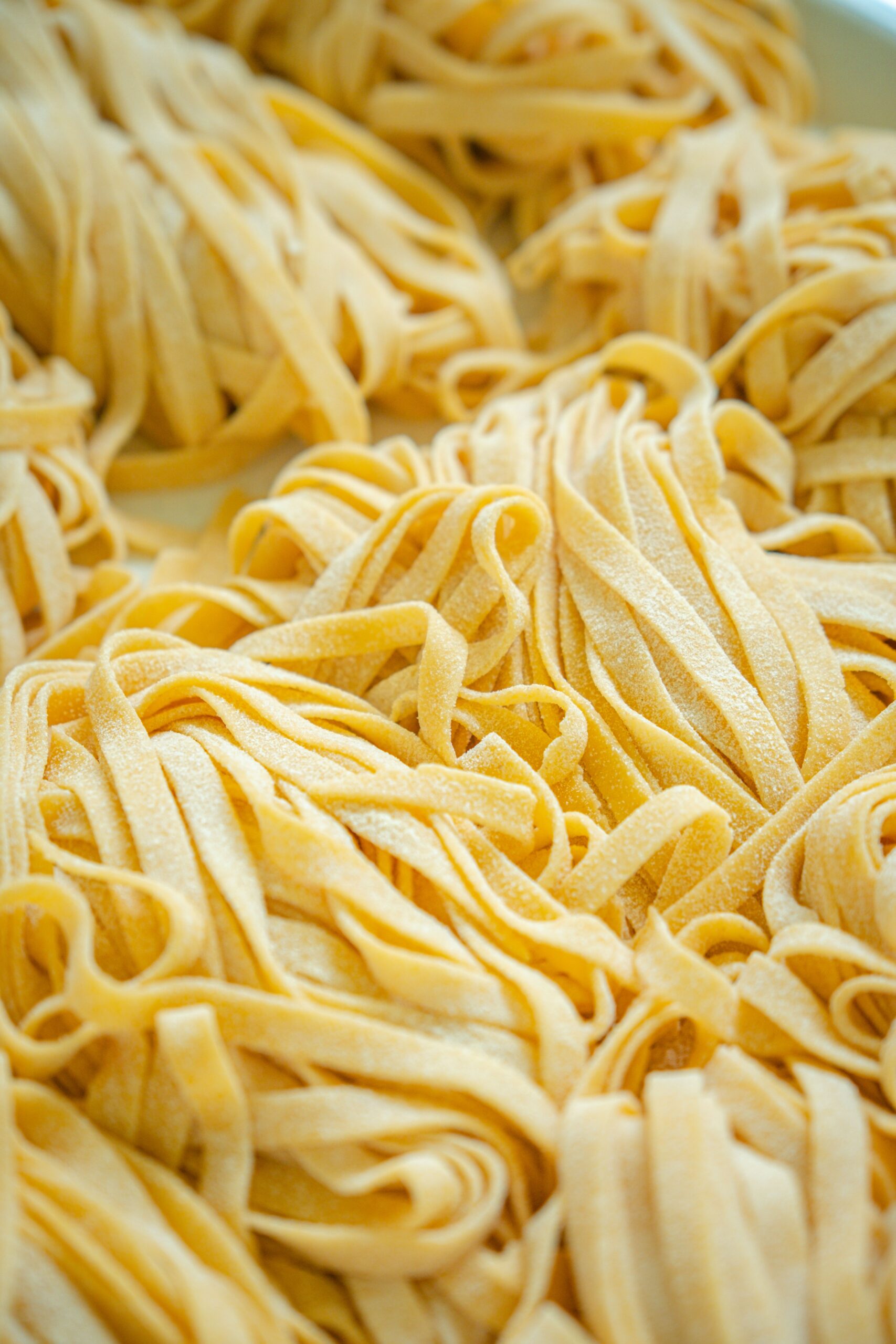
Drying homemade pasta helps extend its shelf life while preserving its texture. Properly dried pasta can be stored in your pantry for weeks, making it perfect for meal prep or gifting to friends and family.
Drying also prevents noodles from sticking together and helps them hold their shape during storage.
How to Dry and Store Fresh Pasta
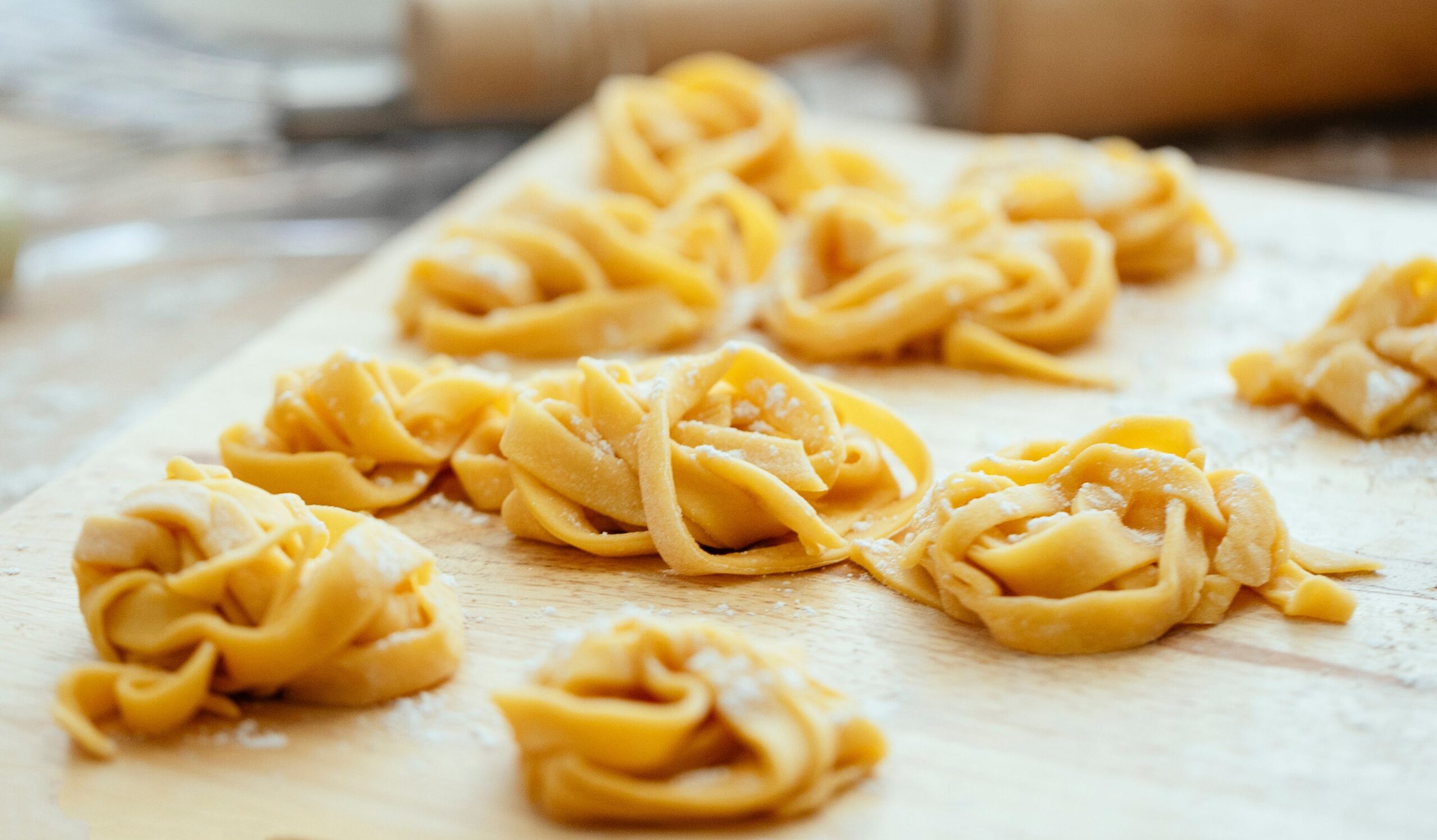
If you want to dry your homemade pasta for future use, spread it in a single layer on a large baking sheet. When I am making fettuccine noodles, I have learned that if I am cooking it right then, it is okay to swirl them into nests. But if I am going to be using the next week, I lay the noodles in a single layer on the sheet pan.
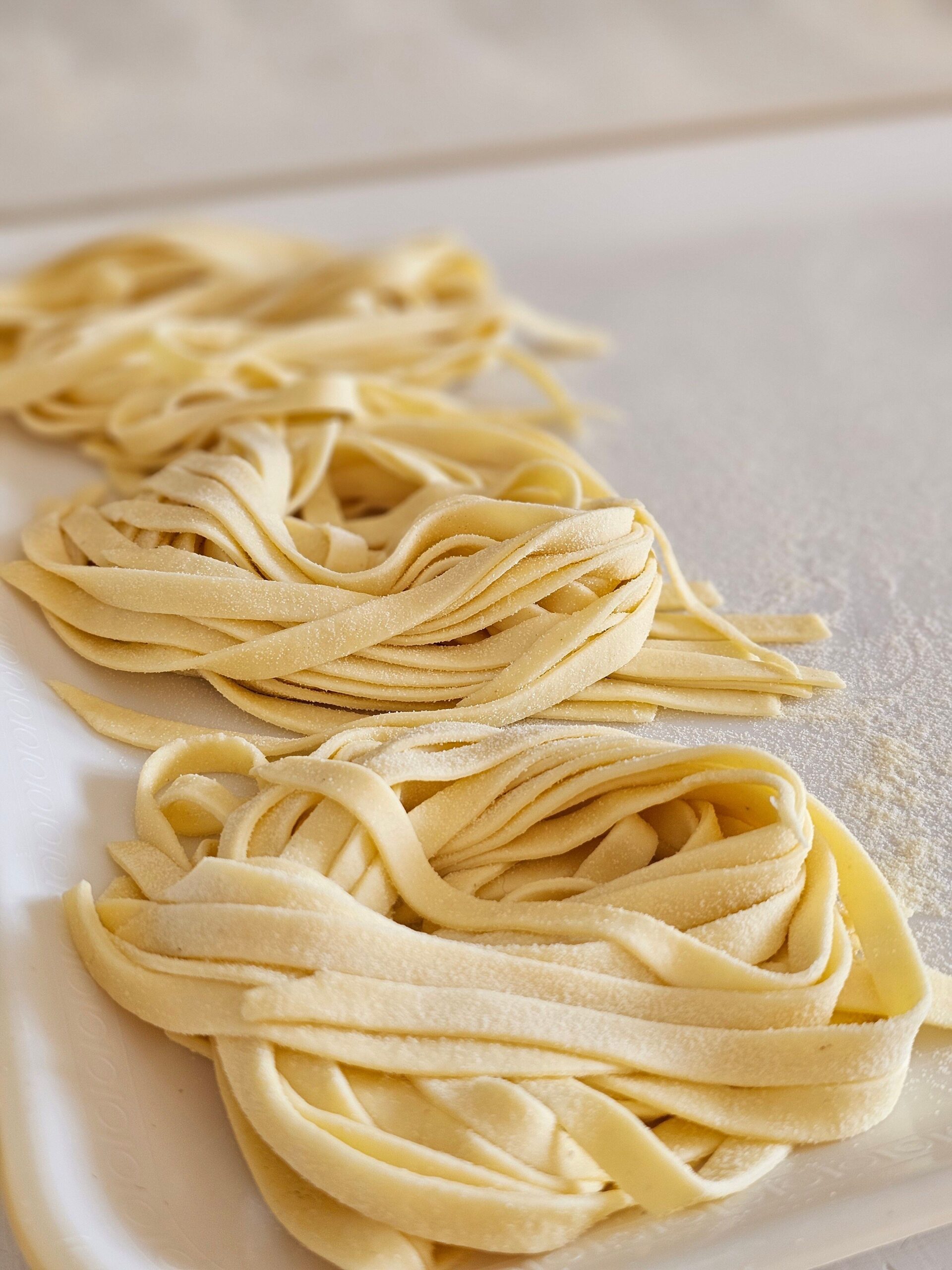
Leave the pasta uncovered in a dry area for 12 to 24 hours, gently stirring and turning it a few times. A fan can be a big help in ensuring your homemade pasta dries quickly and evenly. Don't use too much flour, especially if it is hot outside or inside your home. The humidity might cause issues. You can use one of these pasta drying racks if you want.
When the pasta is completely dry (it should snap when you twist it, not bend), store it airtight at room temperature. It will only last a few days at room temperature, so if you are not going to be using it during that time, simply put it in an airtight container and freeze it.
Drying Short Pasta Shapes
Shapes like penne, fusilli, farfalle, shells, or orecchiette should be spread in a single layer on parchment-lined baking sheets.
Turn them once or twice during drying so all sides dry evenly.
Can You Dry Egg Pasta?
Yes—but because egg pasta contains moisture and protein, it must dry thoroughly before storage.
If your home is especially humid, it's often safer to freeze egg pasta rather than storing it at room temperature for extended periods.
How to Store Dried Pasta
Once completely dry:
- Transfer the pasta to an airtight container or mason jar.
- Store it in a cool, dark pantry.
- Label the container with the date.
Properly dried pasta generally keeps for up to one month in the pantry. If you notice any moisture, discoloration, or unusual odors, discard it.
How to Refrigerate Fresh Pasta
If you plan to cook your pasta within a couple of days, refrigeration is the easiest option.
- Dust lightly with flour.
- Place in an airtight container.
- Refrigerate for up to 2 days.
Avoid sealing warm pasta while it's still moist, as condensation can encourage mold growth.
How to Freeze Homemade Pasta
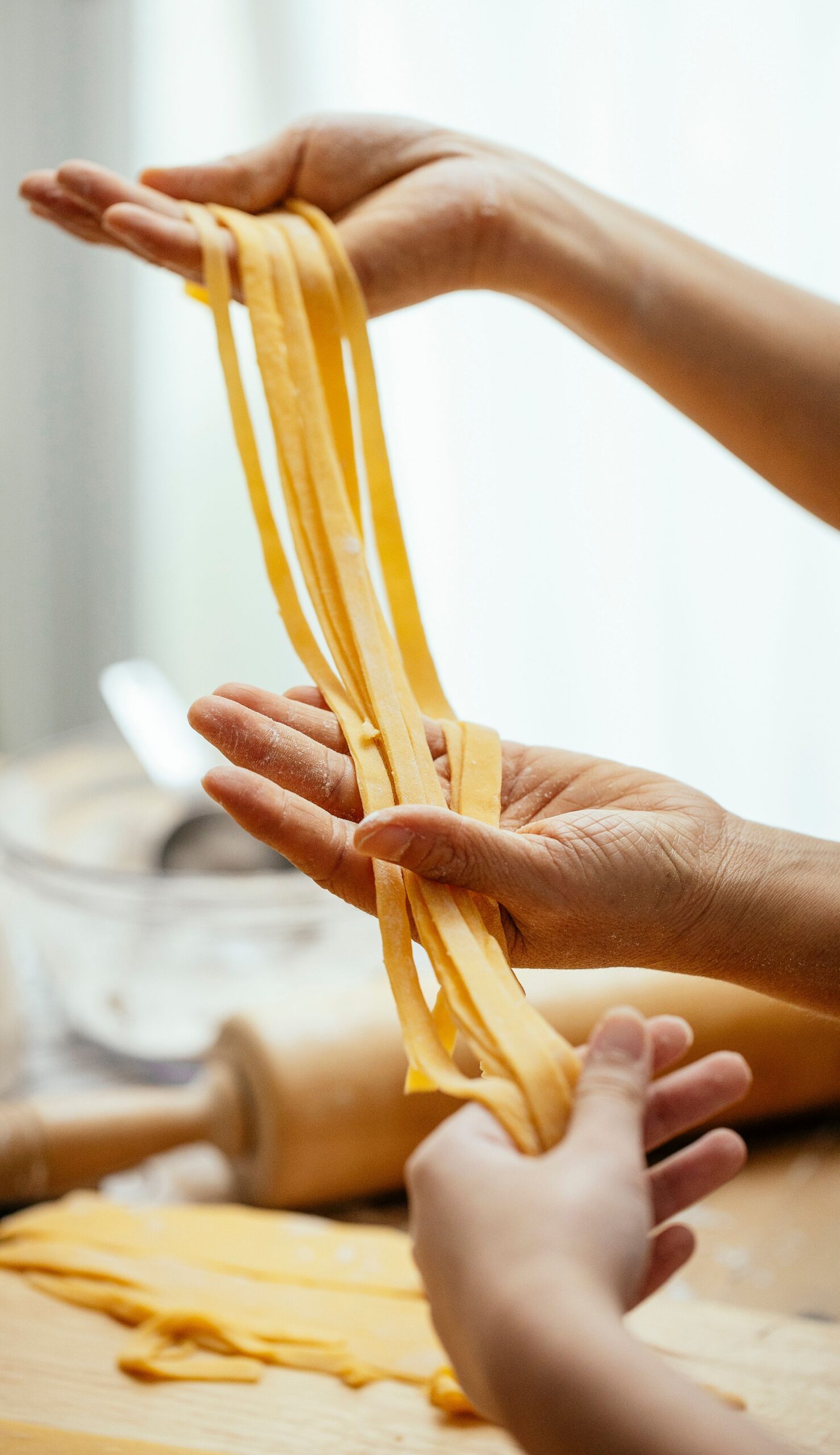
Freezing is one of the best ways to preserve homemade pasta.
For Long Noodles
Arrange the noodles into small nests on a parchment-lined baking sheet.
Freeze until solid, then transfer to freezer bags.
For Filled Pasta
Lay ravioli or tortellini in a single layer on a baking sheet.
Freeze until firm before transferring to freezer containers.
Frozen pasta keeps well for up to three months.
Best of all, there's no need to thaw before cooking—simply add it directly to boiling water and cook for an extra minute or two.
How Long Does Homemade Pasta Last?
| Storage Method | Shelf Life |
|---|---|
| Room temperature (fully dried) | Up to 1 month |
| Refrigerator | 2 days |
| Freezer | Up to 3 months |
Tips for Success
- Dust pasta lightly with flour to prevent sticking.
- Dry pasta in a room with good air circulation.
- Never store pasta until it's completely dry.
- Freeze filled pasta for the best quality.
- Label containers with the storage date.
Frequently Asked Questions
Can you dry pasta overnight?
Yes. Most thin pasta dries completely overnight if your kitchen isn't overly humid.
Can you dry pasta without a drying rack?
Absolutely. Coat hangers, cooling racks, broom handles supported between chairs, or clean wooden spoons balanced across bowls all work well.
How do you know when pasta is fully dry?
The pasta should feel hard and brittle. If it bends instead of snapping, it needs additional drying time.
Can homemade pasta go bad?
Yes. Fresh pasta contains moisture, making it susceptible to mold if not properly dried, refrigerated, or frozen.
Final Thoughts
Making homemade pasta is one of the most rewarding kitchen projects, and learning how to dry and store it means you can enjoy those delicious noodles whenever the craving strikes. Whether you're stocking your pantry with dried pasta or freezing batches for quick weeknight dinners, proper storage helps preserve the flavor and texture of your homemade creations.
The next time you pull out your pasta roller, make an extra batch—you'll be glad you did!


I love this. I've always wanted to make my own pasta, but I wasn't sure how to dry it. I didn't know if I needed a food dehydrator or what. I can't wait to try my hand at pasta making!
This is great information. I have never made my own pasta, but now I am going to try it.
I can honestly say that I tried to make homemade noodles one time by hand. I was trying to recreate my grandma's recipe and it did not go well, LOL. I need to try again with my Kitchenaid.
Oh gosh these are great tips. I really love making homemade pasta but I've always just made it a single batch at a time because I wasn't sure how to store it. Thanks for the tips!
I have never successfully made homemade pasta. I have tried a couple times but it didn't turn out well.
I've always wanted to learn how to make homemade pasta! Nothing better than fresh pasta al dente!
I have wanted to start making fresh pasta but I didn't know you could store it. Definitely need to try this for myself.
Fresh pasta is the absolute best! I've never made it at home before but so want to time!
Fresh pasta is the best! I've only made it a few times since it is time consuming but when I do make it, it's so worth it.
I've never made my own pasta, but it's on my list of things to learn to make this year. So this information will come in really handy when I do start making it and don't want or need to use it right away.
Hi, I love making pasta and tried drying it but my pasta changes color. I don’t like the dark shade it turns, any suggestions?
Hi Marisa
After doing some research, once you dry your pasta, they say to freeze it to keep it from changing colors. I have tried leaving it out in the pantry in an air tight container and it does change colors (it's because of the eggs). Hope that helps!
I want to dry my pasta and give it to my friends, I don’t want to freeze it, can you help me with this task. It would save me money not to have to buy Christmas gifts and it wwould be from the heart!
If you are giving it as Christmas gifts, you will have no choice to freeze it unless you make it just a few days before Christmas. If your gift is not going to be used up right after giving it to them, they will need to freeze it.
Great tips. I just wanted to add that the dough freezes very well. I always make a double batch and freeze the other half for later. I wrap the ball tightly in plastic wrap and freeze. To use, thaw for a few hours on the counter and then roll as per usual. Saves time and the mess (and a great way to use up extra eggs).
Thanks for sharing that info!
We made homemade pasta using my brothers tried and true recipe. Angle Hair pasta came out great. Cooked it the same day.
The fetuccine pasta, we dried for 24 hours. It was very dry, then placed in a cleophane bag. All looked great but when we cooked it the following week, it fell apart into pieces while cooking. Brothers have not ever had that happen. Any Ideas?
I am not sure how to answer this since I don't know the ingredients you used. You would have to share that info with me and then I can help you figure out why.